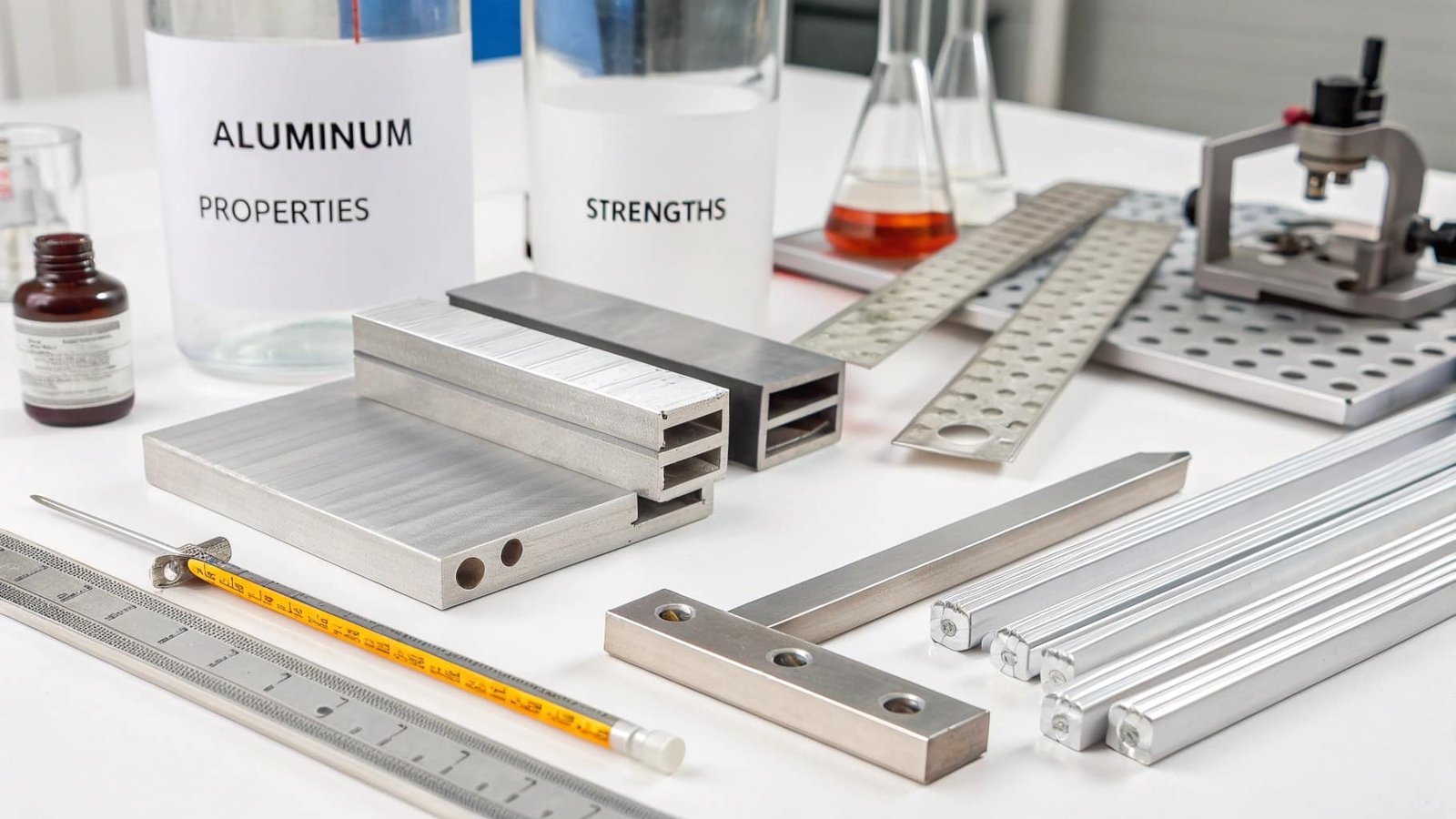
Choosing the right aluminum grade from a long list is confusing. The wrong choice leads to high costs or component failure, putting your project and reputation at risk.
For most heavy machinery parts, forged 6061-T651 is the best choice. It provides the ideal balance of high strength, excellent machinability, and cost-effectiveness. Higher strength grades like 7075 should only be considered for extreme load applications where cost is a secondary concern.
As a sourcing manager, I know your job is about finding the optimal balance. For heavy machinery, that smart choice often starts with forged 6061-T651. It delivers the strength, machinability, and cost you need. We reserve the higher-cost 7075 only when our client's engineering team proves its extreme strength is necessary and justifies the higher processing costs and lead times. Let's break down how these common grades compare in real-world terms so you can make confident decisions for your supply chain.
What is the Best Grade of Aluminum for Machining?
You need a material that machines quickly to control costs. Poor machinability slows down production, wears out tools, and inflates your budget, threatening your project's profitability.
6061-T651 is widely considered the best all-around grade of aluminum for machining. Its chemical composition and heat treatment create predictable, brittle chips that break away cleanly, allowing for faster speeds, excellent surface finishes, and longer tool life.
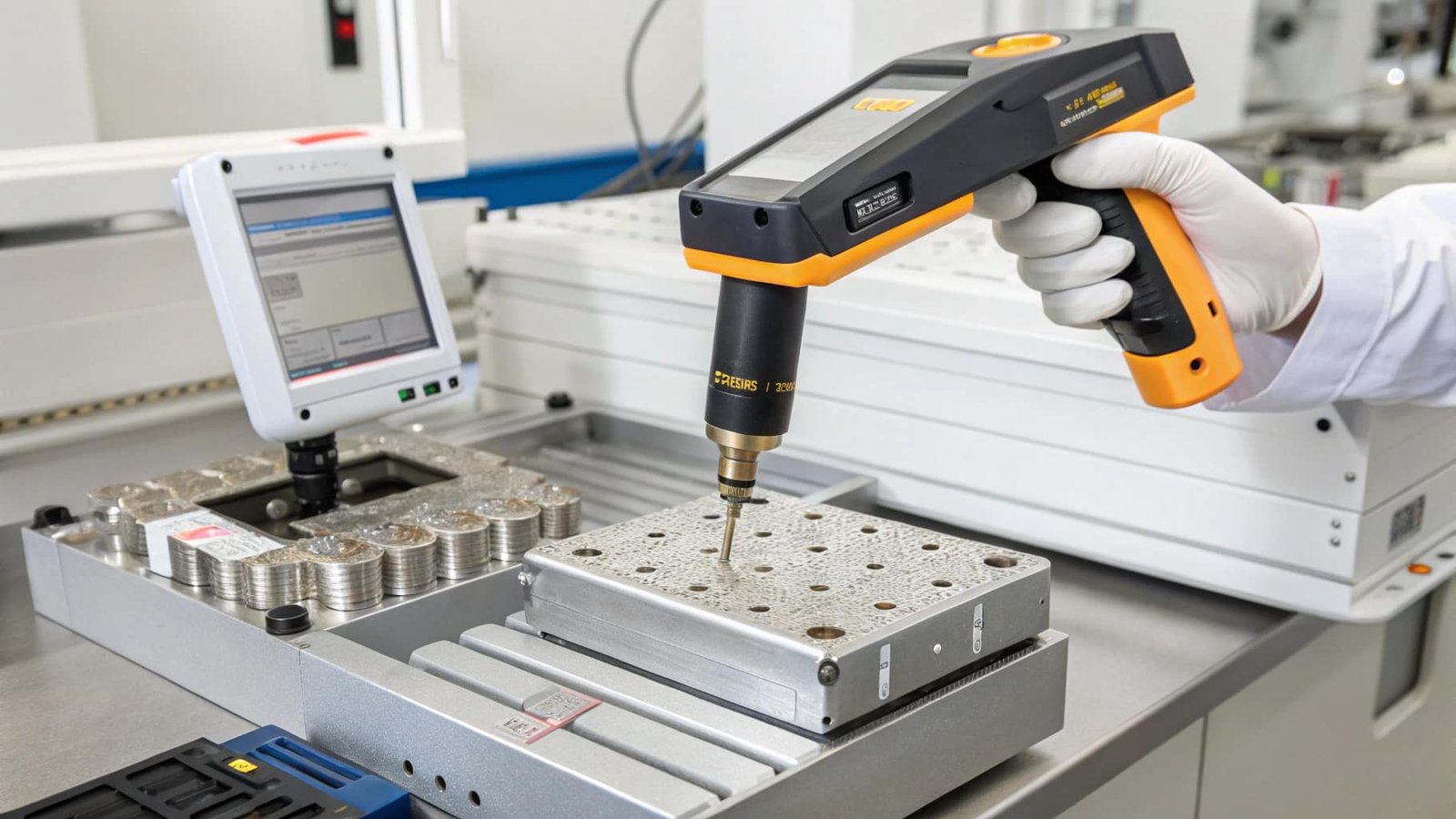
When we supply our machining customers in the Middle East, 6061 is almost always the go-to material. I remember one client who was struggling with a softer alloy. Their cycle times were long because the material was "gummy" and was clogging up their tools. We recommended they switch to our forged 6061-T651 discs for the project. The difference was immediate. They were able to increase their machining speeds by almost 30% and the surface finish was far superior. For a sourcing manager, this is a critical point. Better machinability doesn't just mean a nicer-looking part; it means lower production costs and more reliable lead times from your machining partners. While other grades like 7075 can also be machined well, 6061 provides this excellent machinability at a much more accessible price point, making it the clear winner for most general-purpose jobs.
Is 6061 or 5052 Aluminum Stronger?
You have two common aluminum grades available. You need to know which one offers better strength for a component that needs to withstand moderate stress without overpaying for unnecessary performance.
6061 aluminum is significantly stronger than 5052. The 6061 alloy can be heat-treated to achieve much higher tensile and yield strengths, making it suitable for structural applications where 5052 would be inadequate.
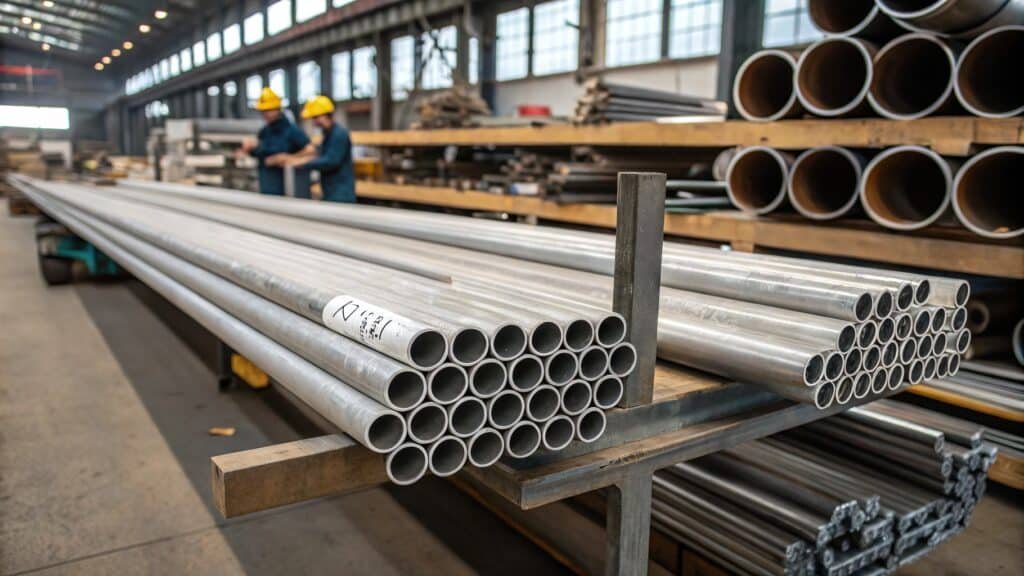
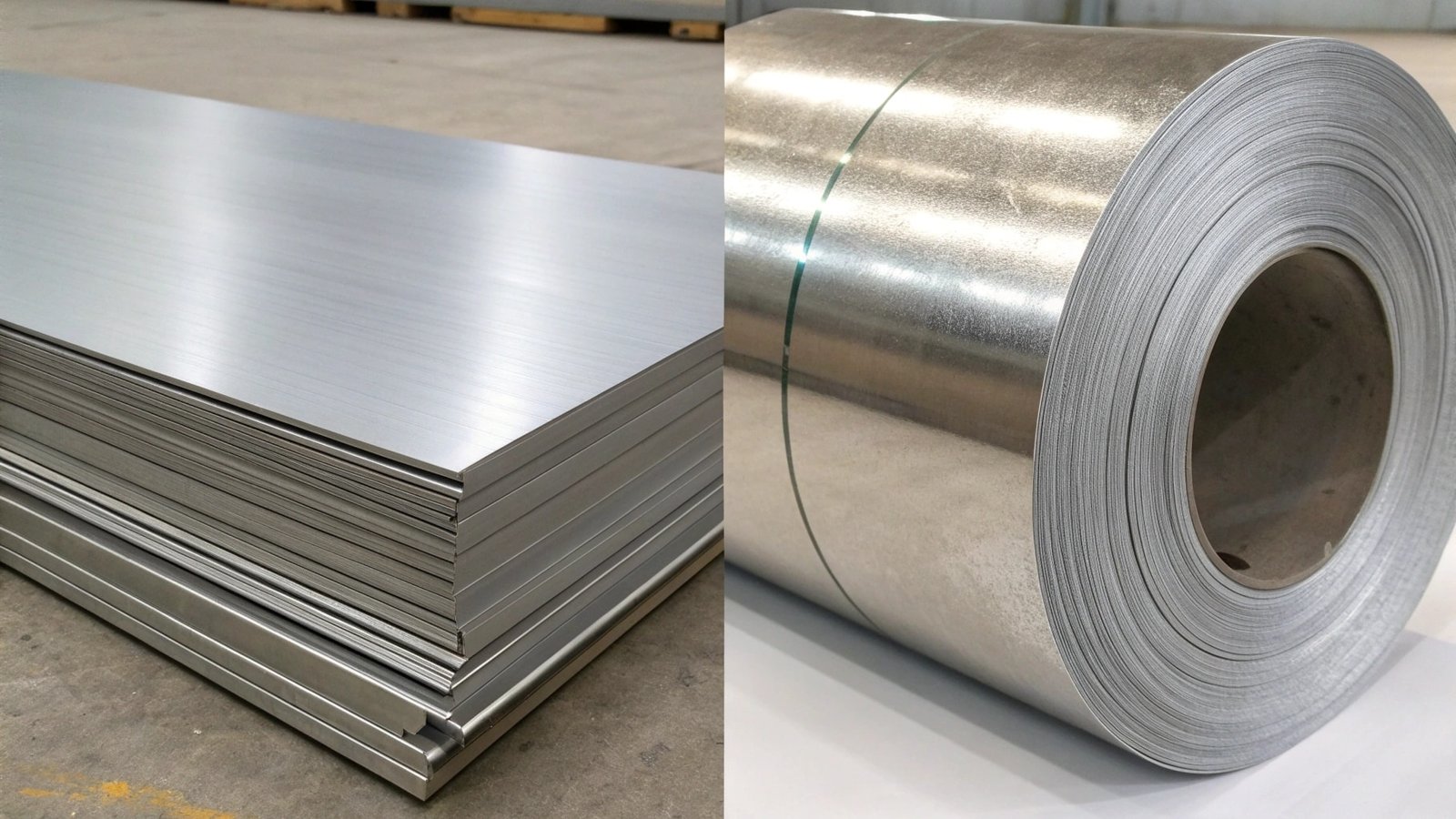
This is a question I get from traders who need to stock the right materials for their customers. The key difference here is heat treatment. 5052 is a non-heat-treatable alloy that gets its strength from work-hardening. It has excellent corrosion resistance1, especially in marine environments, and is great for sheet metal work like fuel tanks or paneling. However, it is not designed for high-stress structural parts. 6061, on the other hand, is a heat-treatable alloy. When we supply it in a T651 temper, it has been solution heat-treated and artificially aged to bring out its full strength potential. For any part on a piece of heavy machinery that has to bear a load, transfer torque, or withstand vibration, 6061 is the correct choice between these two. You should specify 5052 for non-structural applications, but always choose 6061 for strength.
Quick Comparison: 6061 vs. 5052
| Property | 6061-T651 | 5052-H32 |
|---|---|---|
| Primary Advantage | Excellent Strength & Machinability | Excellent Corrosion Resistance & Formability |
| Strength | High | Low to Medium |
| Heat-Treatable | Yes | No (Strain-hardened only) |
| Typical Application | Structural Components, Machine Parts | Sheet Metal, Marine Components, Tanks |
Is 6061 or 7075 Aluminum Stronger?
You have a critical application that requires the absolute maximum strength. You're weighing the cost versus the performance of two popular high-strength aluminum alloys and need to make the right call.
7075 aluminum2 is significantly stronger and harder than 6061. Often called an "aerospace grade," 7075 offers strength comparable to many types of steel, but at a much higher cost and with lower corrosion resistance.
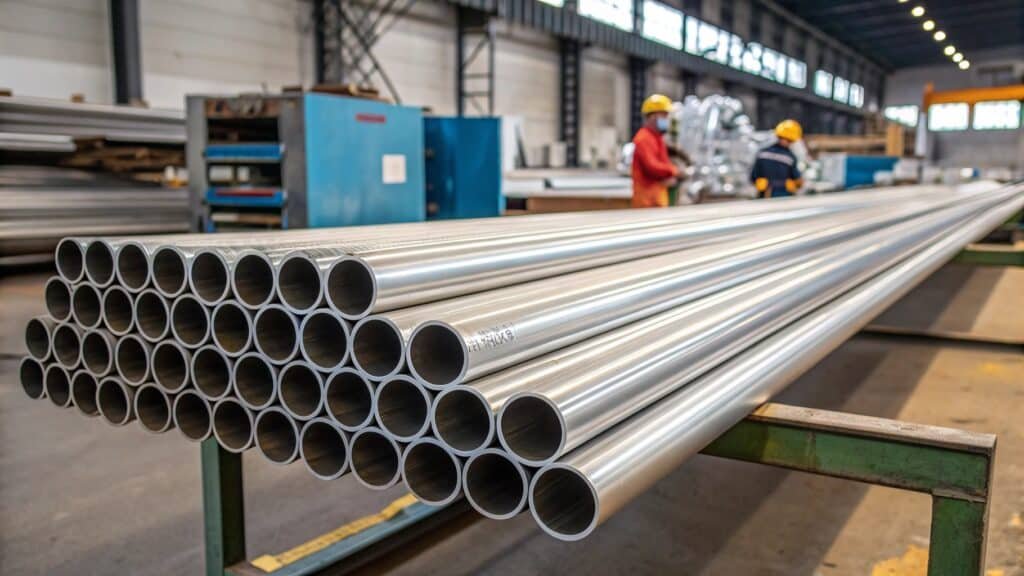
This is the ultimate performance trade-off. 7075 is a powerhouse. Its primary alloying agent is zinc, which gives it incredible strength. We see it specified for parts like landing gear components or high-performance gears where failure is simply not an option. However, that strength comes at a price. As a sourcing manager, you need to know that 7075 is more expensive, more difficult to weld, and can be more susceptible to stress-corrosion cracking if not handled properly. This is why our core insight is so important. I always advise clients: start with forged 6061-T651. It is strong enough for the vast majority of heavy machinery applications. Only move to 7075 if a qualified engineer performs a stress analysis and proves that the extreme strength is absolutely necessary. For 9 out of 10 parts, 6061 provides the best total value.
Which Aluminum Is Stronger, 6061 or 6063?
You're looking at profiles and extrusions for your project. You see two similar-sounding grades, 6061 and 6063, and need to know which one provides better structural integrity.
6061 aluminum is stronger than 6063. While both are in the same series and use magnesium and silicon as primary alloys, 6061 has a higher concentration of these elements, allowing for superior strength upon heat treatment.
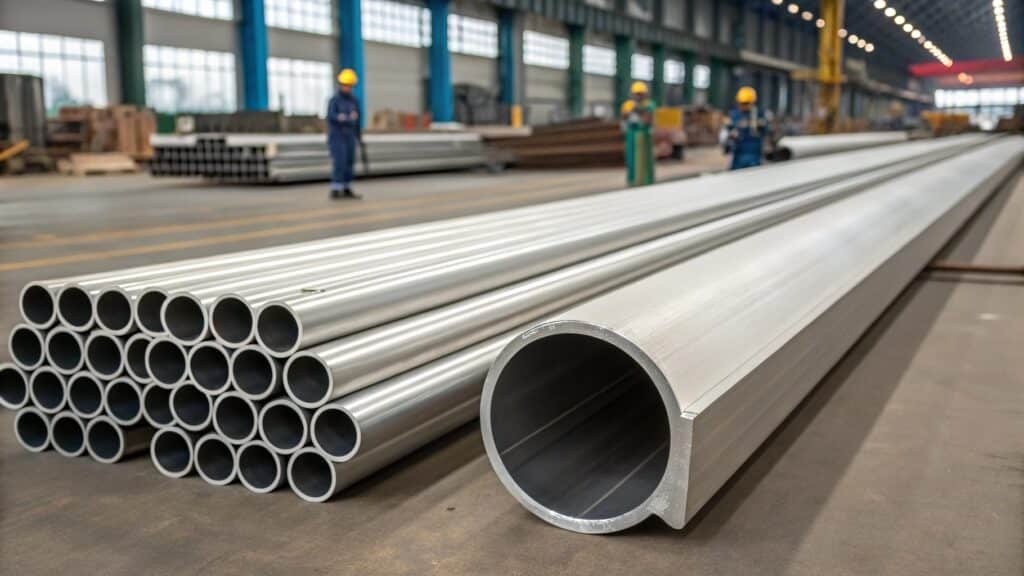
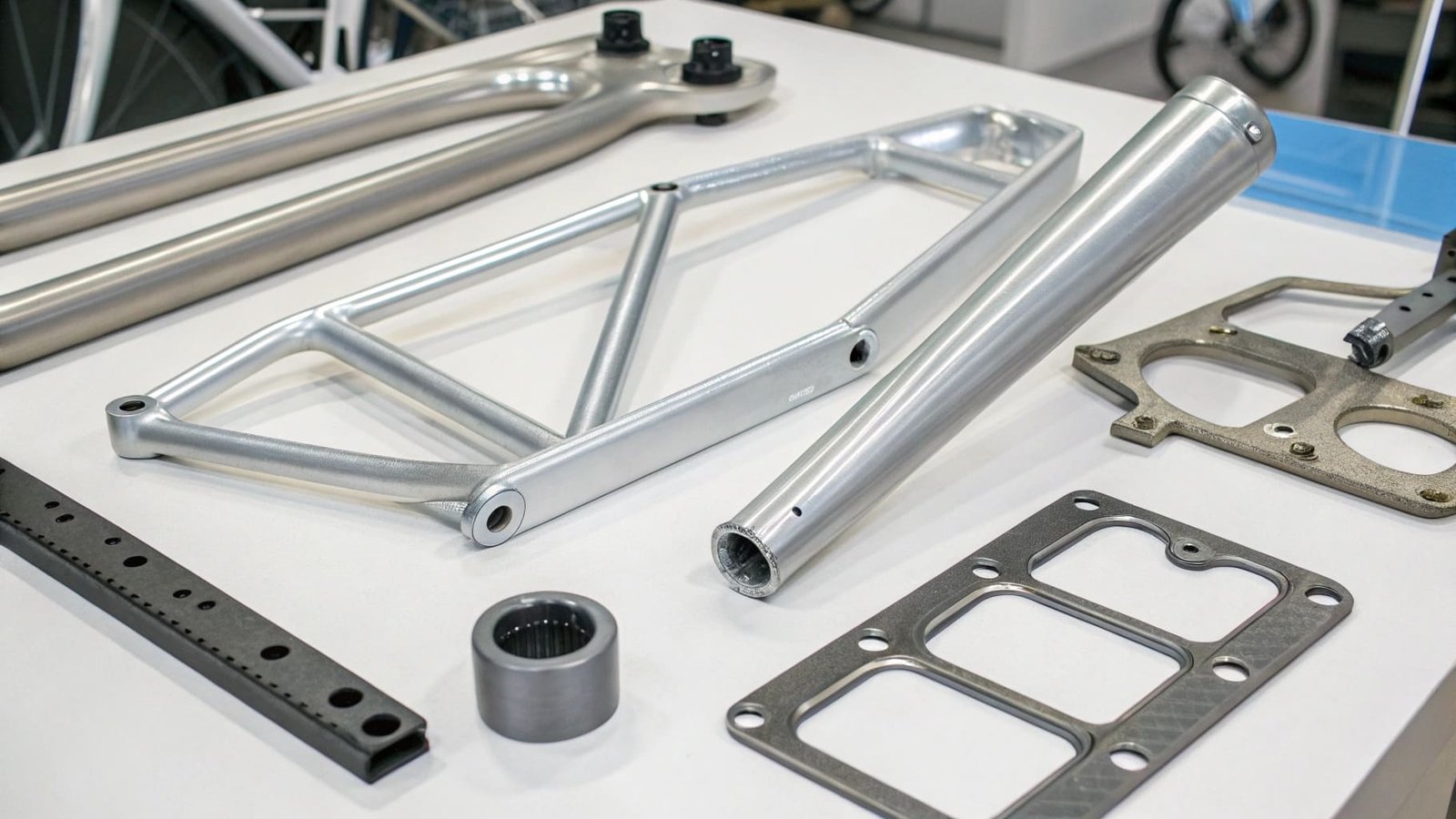
This comparison is about application intent. Think of 6063 as "architectural aluminum." It has slightly lower strength, but this allows it to be pushed through complex extrusion dies to create intricate shapes. It also has a superior surface finish, making it perfect for things like window frames, door frames, and decorative trim where appearance is key. 6061, which we often supply as forged rings and discs, is "structural aluminum." It might not be as easy to extrude into fancy shapes, but its higher strength makes it the only choice between the two for any part that needs to be load-bearing. If you're sourcing a gear blank, a flange, a structural bracket, or any machine part that has to perform under stress, you need the superior mechanical properties of 6061. Specify 6063 for aesthetics, but always specify 6061 for strength.
Conclusion
Choose forged 6061-T651 for the best balance of strength, machinability, and cost. Only specify the more expensive 7075 when its extreme strength is proven to be essential.