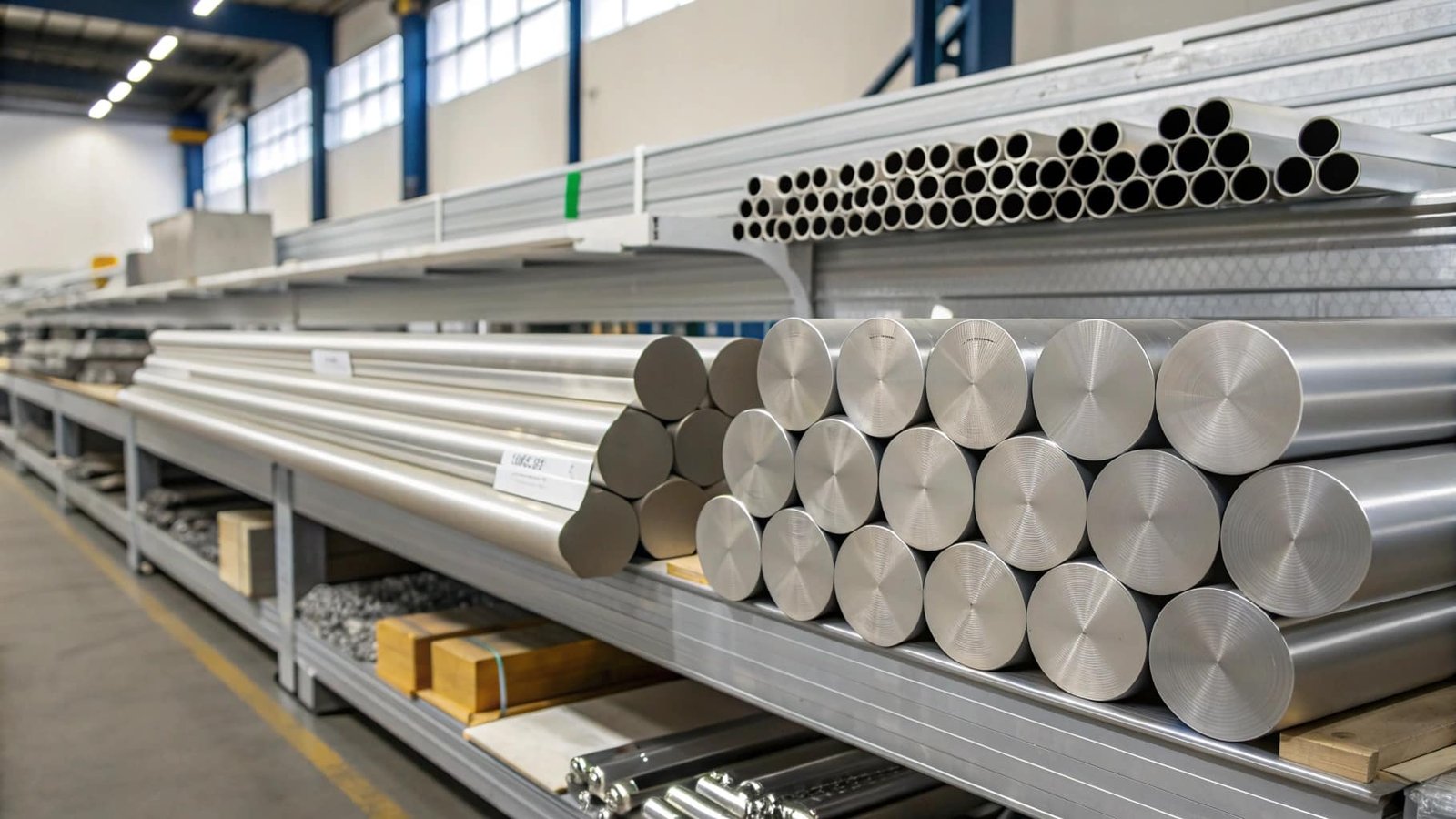
Building aircraft demands very specific materials. Using the wrong aluminum alloy could seriously compromise safety and performance, a mistake that no one can afford. This is a critical consideration in such a demanding field.
Aircraft primarily use high-strength aluminum alloys like 2024 (copper-based) and 7075 (zinc-based). These are chosen for their excellent strength-to-weight ratios and fatigue resistance, which are absolutely essential for airframe structures.
At SWA Forging, we've been deep in the world of aluminum alloys since 2012. We specialize in manufacturing high-quality aluminum alloy forged rings and discs. While we supply our products to many industries, including many traders and machining companies in the Middle East, understanding material specifics, like those for aerospace, really informs our strong commitment to quality. Let's explore these important "aircraft" alloys in more detail.
What alloy is aircraft grade aluminum?
You hear the term "aircraft grade" and it makes you think of top quality. But what specific alloys truly earn this title for such demanding aerospace applications? Knowing this is key.
"Aircraft grade aluminum" usually refers to high-performance alloys. These include well-known ones like 2024 and 7075. Sometimes others like 6061 are used for specific applications, and all must meet strict aerospace material specifications (AMS).
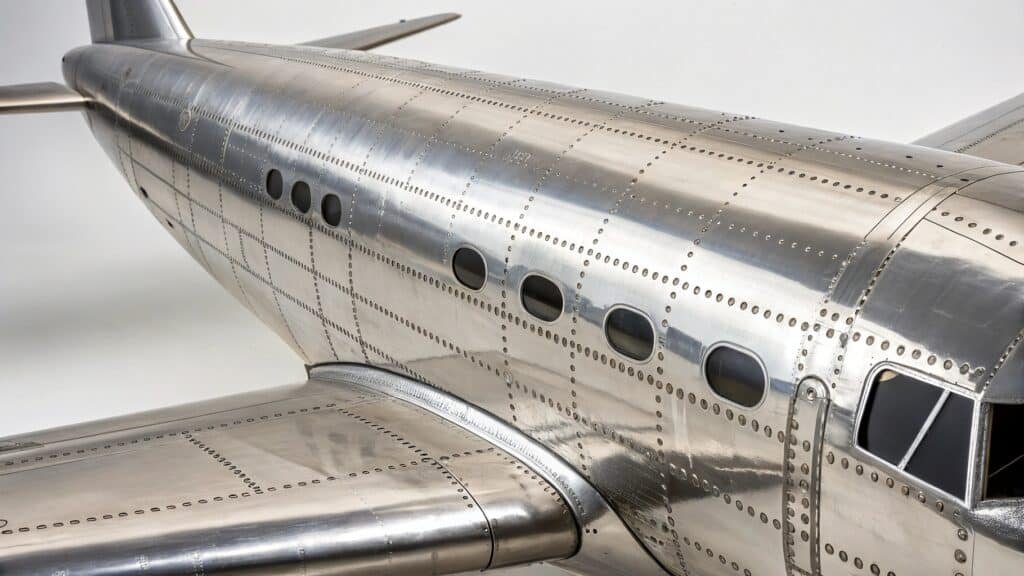
The term "aircraft grade" doesn't point to just one single alloy. It actually describes a category of aluminum alloys that are made for high performance. The primary groups are the 2xxx series, which uses copper as a main alloying element, and the 7xxx series, which uses zinc.
For example, 2024 aluminum1 is well known for its good fatigue resistance and damage tolerance. This makes it a great choice for parts like the fuselage and wing tension members. One thing to remember is that its corrosion resistance isn't as good as some other alloys, so it's often clad with a thin layer of pure aluminum (this is called Alclad) or needs other protective coatings.
Then there's 7075 aluminum2. This alloy is famous for its very high strength. You'll find it in parts that take a lot of stress, like wing spars and highly stressed frames. Certain heat treatments, or tempers, like T73, help improve its resistance to stress corrosion cracking.
Other series are sometimes used too. The 6xxx series, like 6061, might be used in general aviation or for some fittings. The 5xxx series is chosen for its weldability and corrosion resistance in areas that aren't critical for the structure.
A huge part of "aircraft grade" is the extremely stringent quality control and the need for certifications, often to Aerospace Material Specifications (AMS). At SWA Forging, our ISO9001, ISO14001, and ISO45001 certifications show our dedication to this level of quality, even though our main business isn't directly supplying these specific alloys to aerospace manufacturers. The temper of the alloy, like T3 for 2024 or T6 for 7075, also greatly affects its final properties.
What is the best aluminum for aircraft?
You want the absolute "best" aluminum for an aircraft project, that's understandable. But "best" really depends on the specific part of the aircraft and what it needs to do.
There isn't one single "best" aluminum for all aircraft parts. For example, 7075-T6 offers top strength, while 2024-T3 provides better fatigue life and damage tolerance. The choice always depends on what the specific application needs.
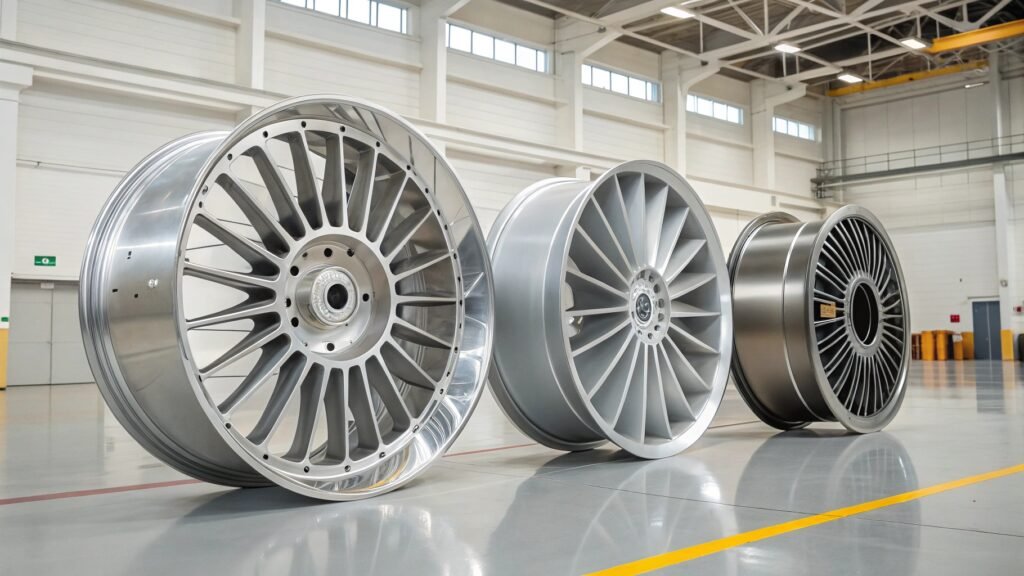
Saying what is "best" is tricky because it truly is application-specific. A material that is perfect for one part might not be suitable for another. Let's look closer at 7075 and 2024, two of the main contenders.
7075-T6 aluminum is valued for its exceptionally high strength. This makes it very good for parts that are under compression, like the upper skins of wings or the stringers that support them.
2024-T3 aluminum, on the other hand, is known for its excellent fatigue resistance. It can handle repeated loads very well and has better fracture toughness, meaning it's more resistant to cracks growing. This makes it ideal for parts under tension, like the lower wing skins or fuselage panels.
There are other things to think about too:
- Weldability: Most high-strength aircraft alloys, including 2024 and 7075, are not easy to weld using common fusion methods. Special techniques are often needed.
- Corrosion Resistance: As mentioned, these alloys often need protection. This can be through cladding (like Alclad 2024) or sophisticated paint and sealant systems.
- Formability: High-strength alloys can be harder to shape and form compared to softer aluminum alloys.
- Cost: These high-performance alloys are generally more expensive than standard aluminum grades.
So, the "best" choice is always a careful balance of these factors. At SWA Forging, we often help our clients make similar decisions for industrial applications. They might need a forged aluminum ring with high strength, or perhaps good machinability is more important. We guide them to select the best alloy from our range for their needs, a process that mirrors the detailed material selection in aerospace.
| Feature | 2024-T3 | 7075-T6 | Considerations |
|---|---|---|---|
| Primary Strength | Excellent Fatigue Resistance | Very High Tensile Strength | Match to load type (tension/compression) |
| Fracture Toughness | Good | Moderate | Important for damage tolerance |
| Typical Use | Lower wing skins, fuselage | Upper wing skins, spars | Specific to structural demands |
| Corrosion Resist. | Fair (often clad) | Fair (often needs treatment) | Requires protection |
| Weldability | Poor | Poor | Specialized joining methods needed |
What is the Aluminium alloy used in aerospace?
Aerospace engineering uses a wide range of specialized materials. Which aluminum alloys consistently make the cut for these very critical applications? It's more than just one or two.
Key aluminum alloys used in aerospace include the 2xxx series (like 2024, 2219), the 7xxx series (like 7075, 7050), and sometimes the 6xxx series (like 6061) and 5xxx series for specific non-structural or moderate-load parts.
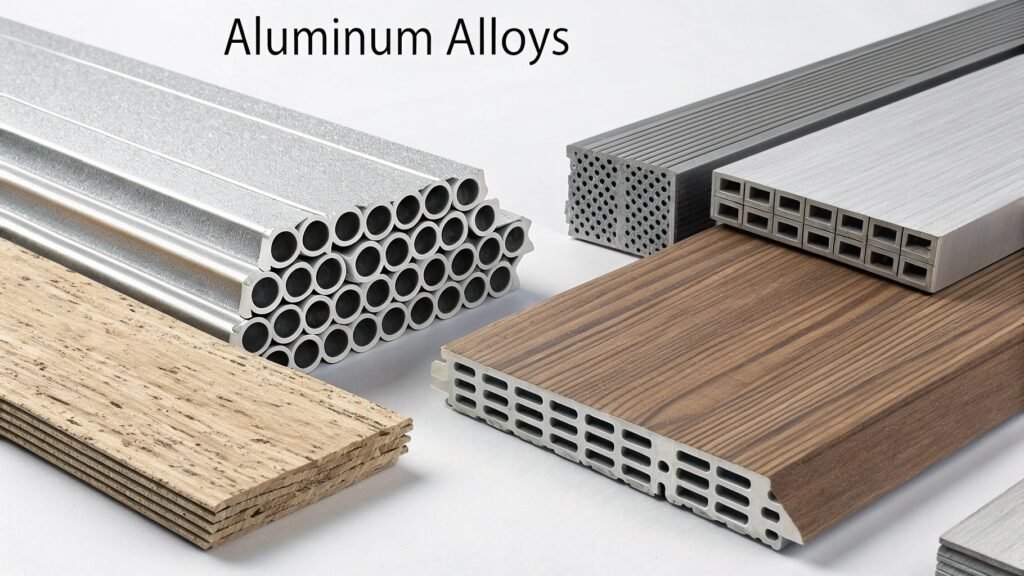
While 2024 and 7075 are famous, the aerospace industry uses a broader palette of aluminum alloys. Each is chosen for specific properties.
Let's look at some key series:
- 2xxx Series (Aluminum-Copper alloys):
- 2024: As we've discussed, it's great for fatigue resistance and toughness.
- 2219: This alloy stands out because it has excellent weldability for an aluminum-copper alloy. It also keeps its strength well at higher temperatures. It was famously used for the fuel tanks of the Saturn V rocket and the Space Shuttle's external tank.
- 2014: This is another high-strength alloy, often used for forgings and heavy-duty structural parts.
- 7xxx Series (Aluminum-Zinc alloys):
- 7075: Known for its very high strength, as covered earlier.
- 7050: This alloy offers higher toughness and better resistance to stress corrosion cracking than 7075, especially in thicker sections. You'll find it in fuselage frames, bulkheads, and wing skins.
- 7475: This is similar to 7075 but has improved fracture toughness.
- 6xxx Series (Aluminum-Magnesium-Silicon alloys):
- 6061: This alloy offers a good balance of properties. It's used for secondary structures, various fittings, and in general aviation aircraft.
- 5xxx Series (Aluminum-Magnesium alloys):
- 5052, 5083: These alloys have excellent corrosion resistance, good weldability, and moderate strength. They are used for things like ducting, fuel lines, and other non-structural elements.
More recently, aluminum-lithium (Al-Li) alloys (like 2090, 8090) have been developed. These are even lighter and stiffer than traditional aerospace alloys.
Our work at SWA Forging involves producing many different aluminum alloys into forged rings and discs. Understanding this wide range of materials is important. Our clients, who are often traders or machining companies, might handle various grades for diverse end-uses. Our ability to produce consistent, high-quality forgings across different alloy specifications, certified with product quality certificates and available third-party reports from SGS, BV, or TUV, is why they trust us.
- 5052, 5083: These alloys have excellent corrosion resistance, good weldability, and moderate strength. They are used for things like ducting, fuel lines, and other non-structural elements.
Is 6061 aircraft grade aluminum?
You know that 6061 aluminum is strong and very versatile. But does it truly qualify as "aircraft grade" for the most critical flight structures? This is a common and important question.
While 6061-T6 aluminum is used in some aircraft components, particularly in general aviation or for non-primary structures, it's not typically considered a primary "aircraft grade" alloy like 2024 or 7075 for high-performance, critical structural applications.
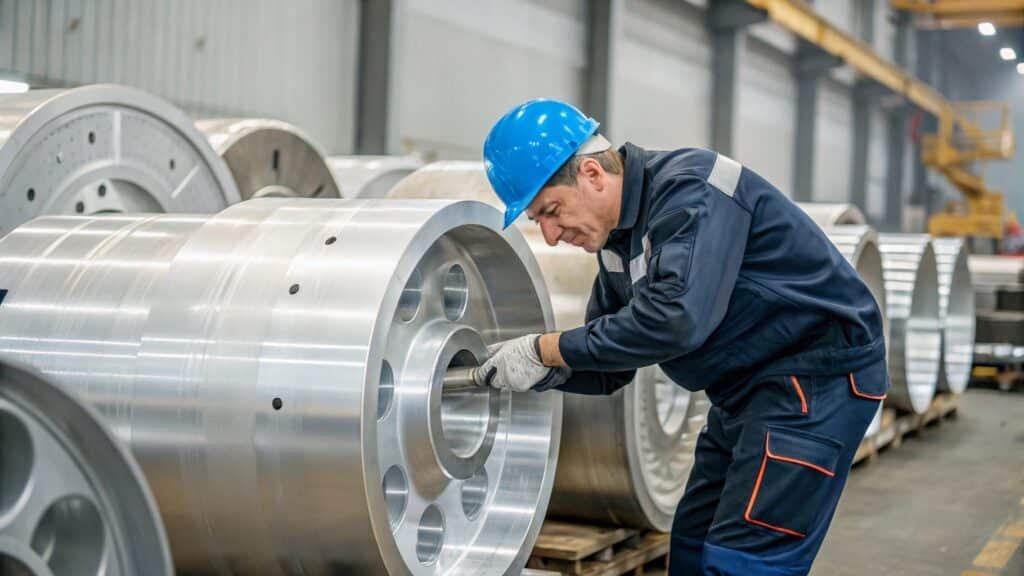
Aluminum alloy 6061, especially in its T6 temper, is an excellent and widely used material. It provides a good combination of strength, corrosion resistance, weldability, and machinability. Plus, it's relatively cost-effective. Because of these qualities, 6061-T6 is used in the aerospace industry, but its role is a bit different from alloys like 2024 or 7075.
You might find 6061 used in:
- Structures of light aircraft, especially in homebuilt or experimental aircraft.
- Secondary structural components or fittings where the absolute highest strength-to-weight ratio or fatigue performance of a 2xxx or 7xxx series alloy isn't strictly necessary.
- Ground support equipment for aircraft.
- Some internal cabin components or non-load-bearing parts.
However, for the primary load-bearing structures in commercial and military aircraft – think of main wing spars, fuselage skins that take high stress, or critical load-bearing frames – engineers almost always specify higher-performance alloys. These are typically 2024, 7075, or other specialized aerospace grades like 7050. These alloys offer superior fatigue resistance and higher ultimate strengths, which are absolutely critical for safety and performance in those demanding roles.
So, while 6061 is a fantastic and versatile alloy that we at SWA Forging frequently use to produce high-quality forged rings and discs for many industrial applications due to its balanced properties, it doesn't quite meet the top-tier performance characteristics that define the primary "aircraft grade" alloys used for the most critical airframe structures. The key is always to match the specific alloy's capabilities to the demands of the application.
Conclusion
Aircraft rely on specific high-strength aluminum alloys like 2024 and 7075. The "best" alloy always depends on the part's function, balancing strength, fatigue resistance, and other critical factors.