You see aluminum alloys listed for everything from phone cases to airplanes. You might think of it as just a simple, lightweight metal. This view can lead to choosing the wrong material or process, causing part failure and high costs.
The better question is why a component uses it. You find aluminum alloy wherever an engineer solved a critical problem. They conquer weight in aerospace, defeat corrosion in marine parts, or demand strength in high-speed machinery. It is an engineered choice, not just an ingredient.
We once had a new client, a machining company that landed a big contract for industrial pump impellers. They saw "aluminum alloy" on the drawing and quoted the job using standard 6061 plate, which they were very familiar with. The first prototypes they produced looked perfect, but they failed quickly during testing. The impellers were cavitating and eroding far faster than expected in the slightly corrosive fluid they were pumping. The client was focused on what the material was (aluminum), not why it was chosen. We looked at the application and recommended a switch to a 5083 forged blank. The 5083 alloy offered far superior corrosion resistance for that specific environment. More importantly, the forged grain structure provided the toughness to resist the erosive forces of cavitation. The new parts passed all tests. This taught the client a valuable lesson: the alloy isn't just a material; it is the solution to a specific engineering problem.
What is actually in an aluminum alloy?
You see alloy numbers like 6061 or 5083, and they seem like random codes. This makes it hard to understand their real-world differences, which can lead to confusion when ordering or specifying materials.
Aluminum is commonly alloyed with elements like magnesium, silicon, copper, and zinc. Each element is a specific ingredient added to the "recipe" to give the final material a desired property, like strength, machinability, or corrosion resistance.
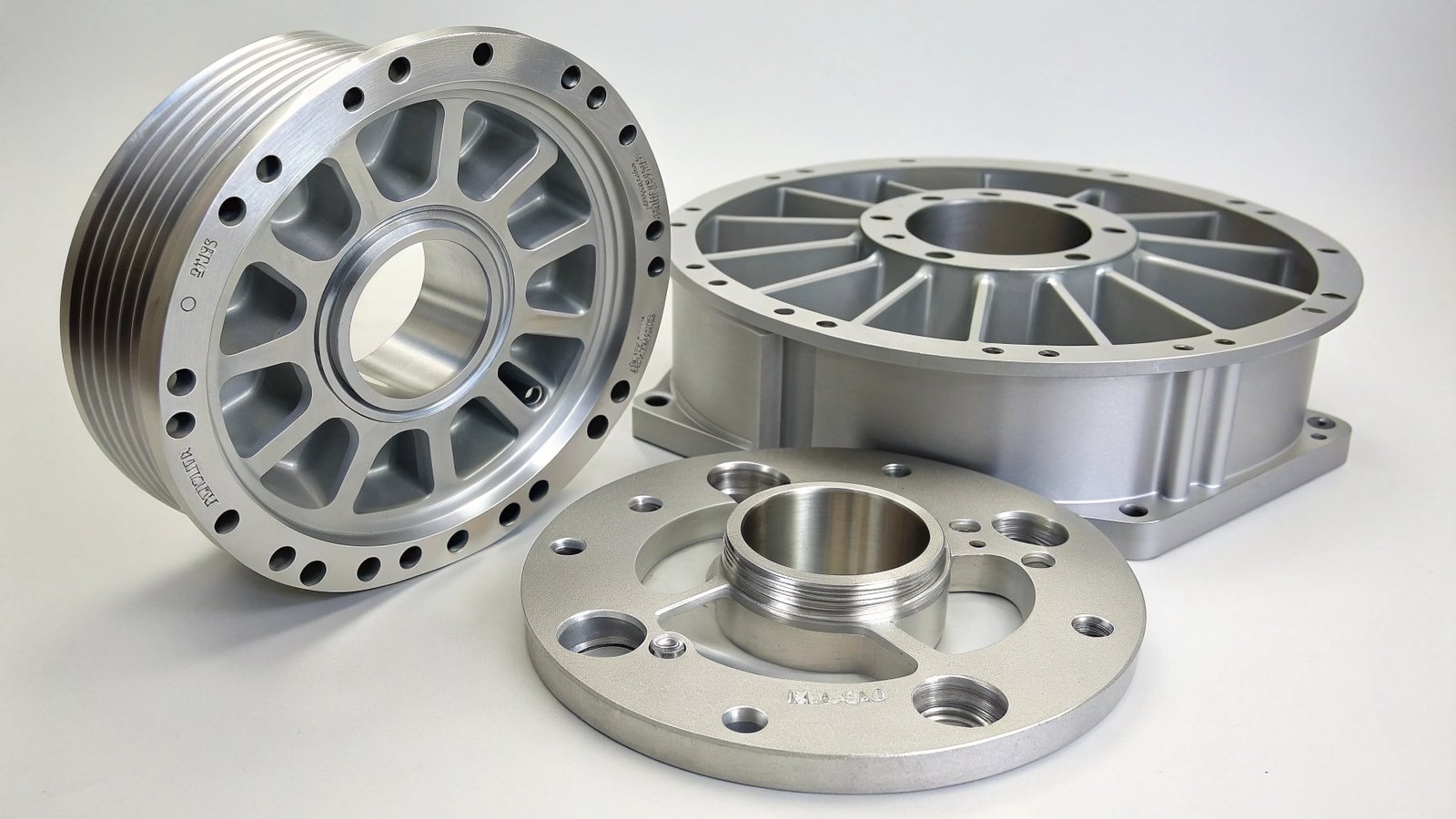
Pure aluminum is actually quite soft and not very useful for structural applications. The process of alloying is what turns it into a high-performance engineering material. Think of it like baking a cake. Flour alone is plain, but when you add sugar, eggs, and other ingredients, you get something much better. For our trader clients, understanding these basic "recipes" is crucial. It helps them guide their own customers to the right family of alloys, whether they need something for a marine environment (magnesium-based 5xxx series) or for high-strength machine parts (magnesium and silicon-based 6xxx series).
The Recipe for Performance
Each major alloying element has a primary job. Knowing these helps you decode the alloy numbers.
| Alloying Element | Primary Contribution | Common Alloy Series |
|---|---|---|
| Silicon (Si) | Lowers melting point, improves castability | 4xxx Series |
| Magnesium (Mg) | Excellent corrosion resistance, good weldability | 5xxx Series |
| Magnesium & Silicon | Versatility, good strength (heat-treatable) | 6xxx Series |
| Copper (Cu) | High strength, but lower corrosion resistance | 2xxx Series |
| Zinc (Zn) | Very high strength (the strongest alloys) | 7xxx Series |
Even small amounts of other elements like manganese (Mn) or chromium (Cr) are added. These act like spices in the recipe. They don't change the main flavor, but they refine the final result by controlling the grain structure of the metal. A fine, uniform grain structure is essential for achieving the best performance, and it is a key benefit that is further enhanced by our forging process.
Which is stronger, 6061 or 7075 aluminum alloy?
You need the strongest possible part for a critical application. Choosing between high-strength alloys1 like 6061 and 7075 based on a spec sheet alone can be misleading and might not give you the best overall performance.
7075 is significantly stronger than 6061. 7075 is an aerospace-grade alloy known for its exceptional strength-to-weight ratio. 6061 is a very capable, all-purpose structural alloy, but 7075 is in a higher performance class.
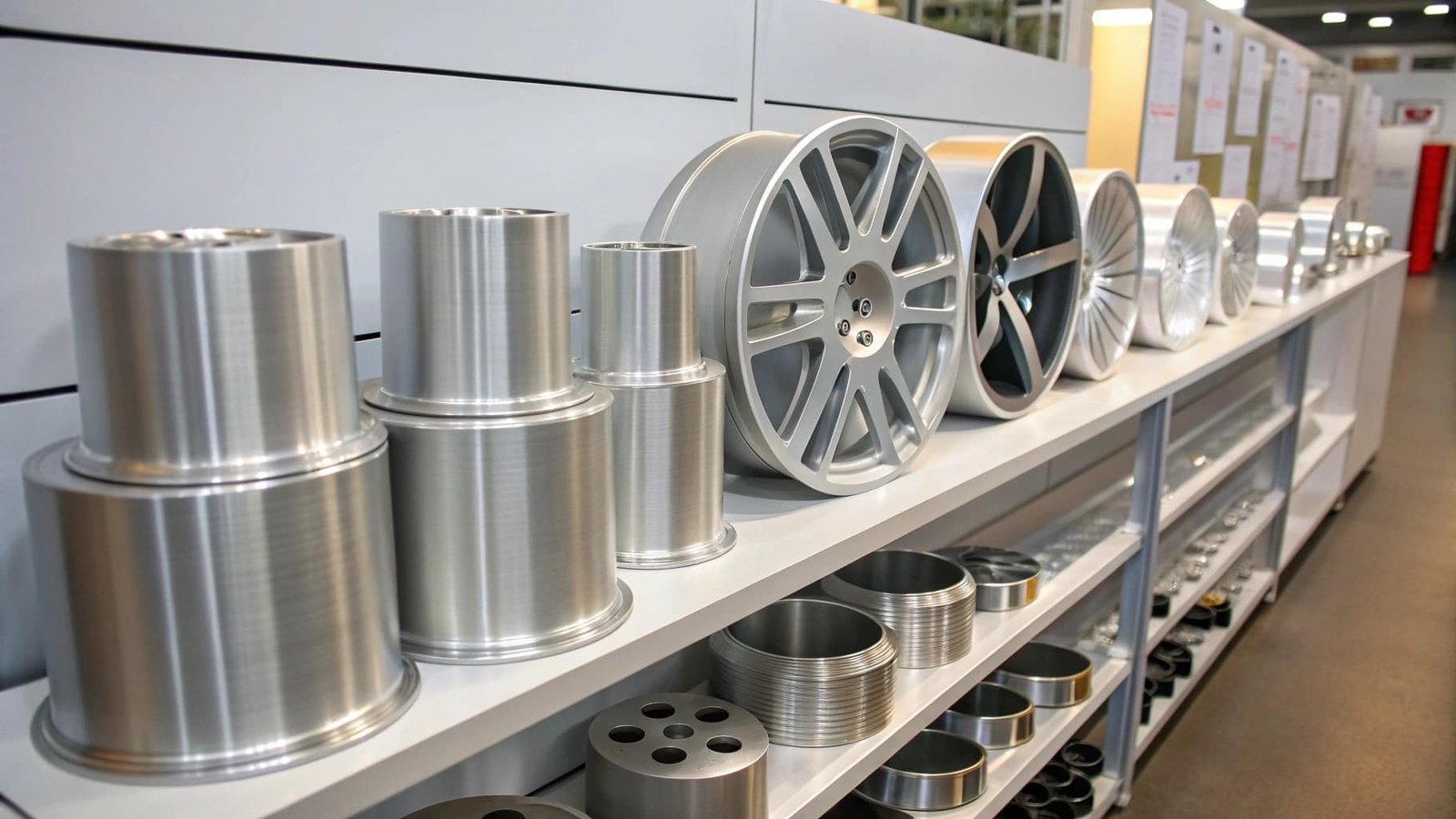
This is one of the most common questions we get from machining customers looking to upgrade their components. On paper, the choice seems simple: 7075 has a much higher tensile and yield strength. However, "stronger" is not the only factor in an engineered choice. The decision between these two excellent alloys always involves a trade-off between ultimate strength, cost, and the working environment of the final part.
Strength at a Price
While 7075 is the clear winner in pure strength, this performance comes with compromises.
- Corrosion Resistance: 6061, with its magnesium and silicon base, has good natural corrosion resistance2. 7075, which gets its strength from zinc and copper, is much more susceptible to corrosion. It often requires protective coatings like anodizing, especially in moist environments.
- Weldability: 6061 is generally considered weldable with the right techniques. Welding 7075 is extremely difficult and is not recommended for structural joints, as it severely weakens the material.
- Cost: The alloying elements in 7075 (especially zinc) are more expensive, and the heat treatment process is more complex. This makes 7075 a more costly material than 6061.
For these reasons, we advise our clients to see 6061 as the reliable workhorse for a huge range of industrial machinery and structural parts. We recommend 7075 for applications where every gram counts and the highest possible strength is non-negotiable, like in competitive motorsports or aerospace.
Where are aluminum alloys found?
You might think aluminum is only for lightweight items like beverage cans. This misunderstanding can cause you to overlook it as a serious, high-strength solution for your heavy-duty industrial or machining needs.
You find aluminum alloys3 in any application where engineers need a specific combination of properties like high strength, low weight, conductivity, or corrosion resistance. They are critical components in aerospace, automotive, marine, and industrial machinery.
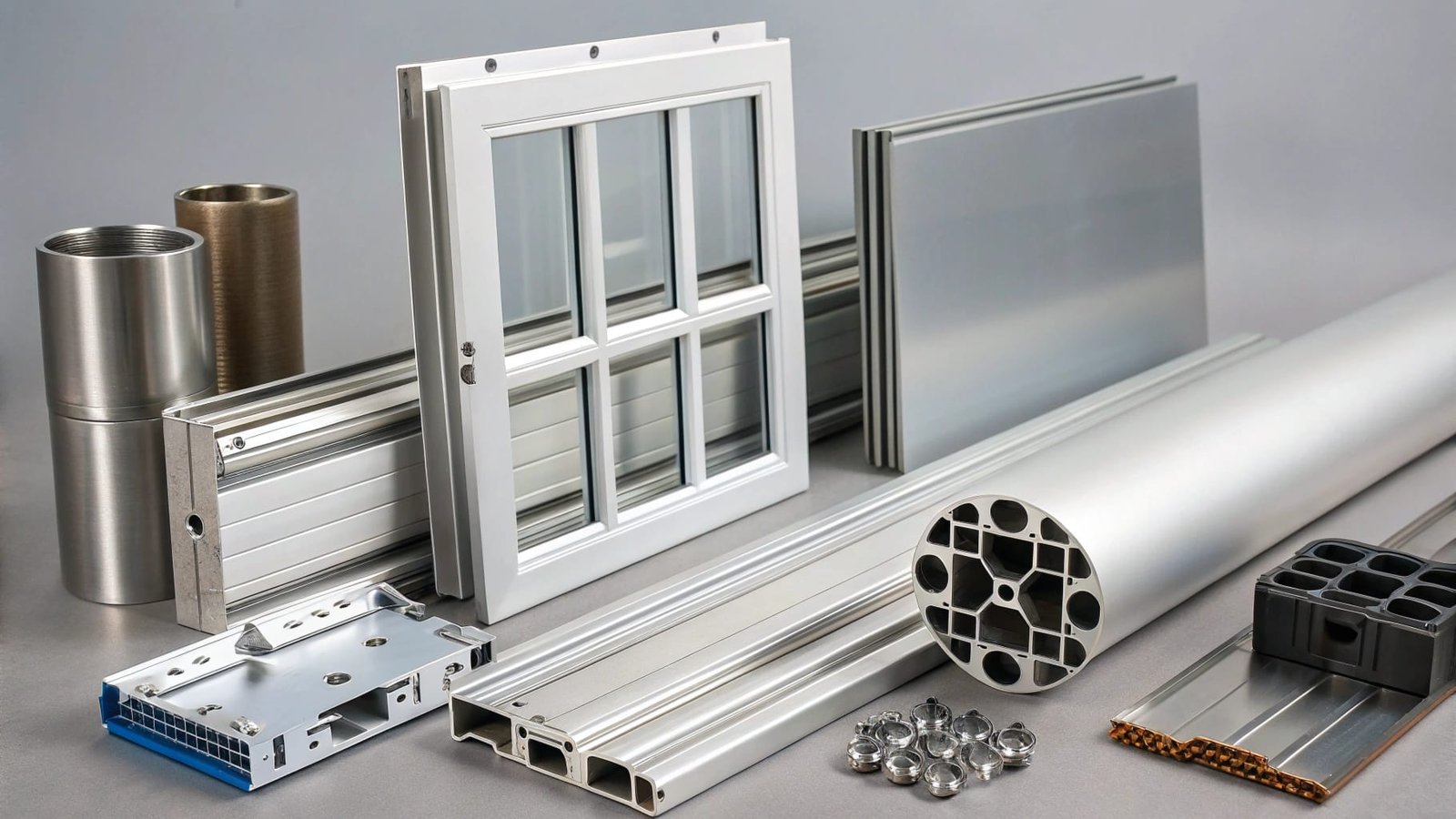
The correct way to think about this is not where you find the material, but where you find the engineering problem that aluminum alloy solves. It is a problem-solving material. Its versatility means it can be tailored to meet an incredible range of challenges, which is why it has replaced heavier metals like steel in so many fields. For our customers, this means they are often machining parts that are at the center of modern engineering.
A Solution for Every Industry
Let's look at the "why" behind its use in different sectors.
- Aerospace: The problem is weight. Every kilogram saved on an aircraft's structure means more payload or better fuel efficiency. High-strength 7xxx and 2xxx series alloys are the only choice because they provide the strength of steel at roughly one-third of the weight.
- Automotive: The problems are fuel efficiency and performance. Using aluminum for engine blocks, wheels, and suspension components reduces the car's overall weight. Lighter cars accelerate faster, handle better, and use less fuel.
- Marine: The problem is saltwater corrosion. Steel rusts quickly in the ocean. The 5xxx series alloys, rich in magnesium, are naturally resistant to saltwater corrosion. This makes them perfect for boat hulls and marine fittings that need to last for decades.
- Industrial Machinery: The problems are inertia and speed. For a machine part that has to start and stop very quickly, like a robotic arm or a high-speed gear, low weight is critical. Lower inertia means the machine can run faster and more efficiently with less power. Our forged 6082 rings are often used for these applications.
Conclusion
An aluminum alloy is not just an ingredient. It is a deliberate, engineered choice to solve a specific problem, whether that problem is conquering weight, defeating corrosion, or delivering exceptional strength.
-
Explore the distinctions between various high-strength aluminum alloys and their applications. ↩
-
Find out how aluminum alloys resist corrosion, making them suitable for marine applications. ↩
-
Explore the advantages of aluminum alloys in various applications and how they solve engineering challenges. ↩