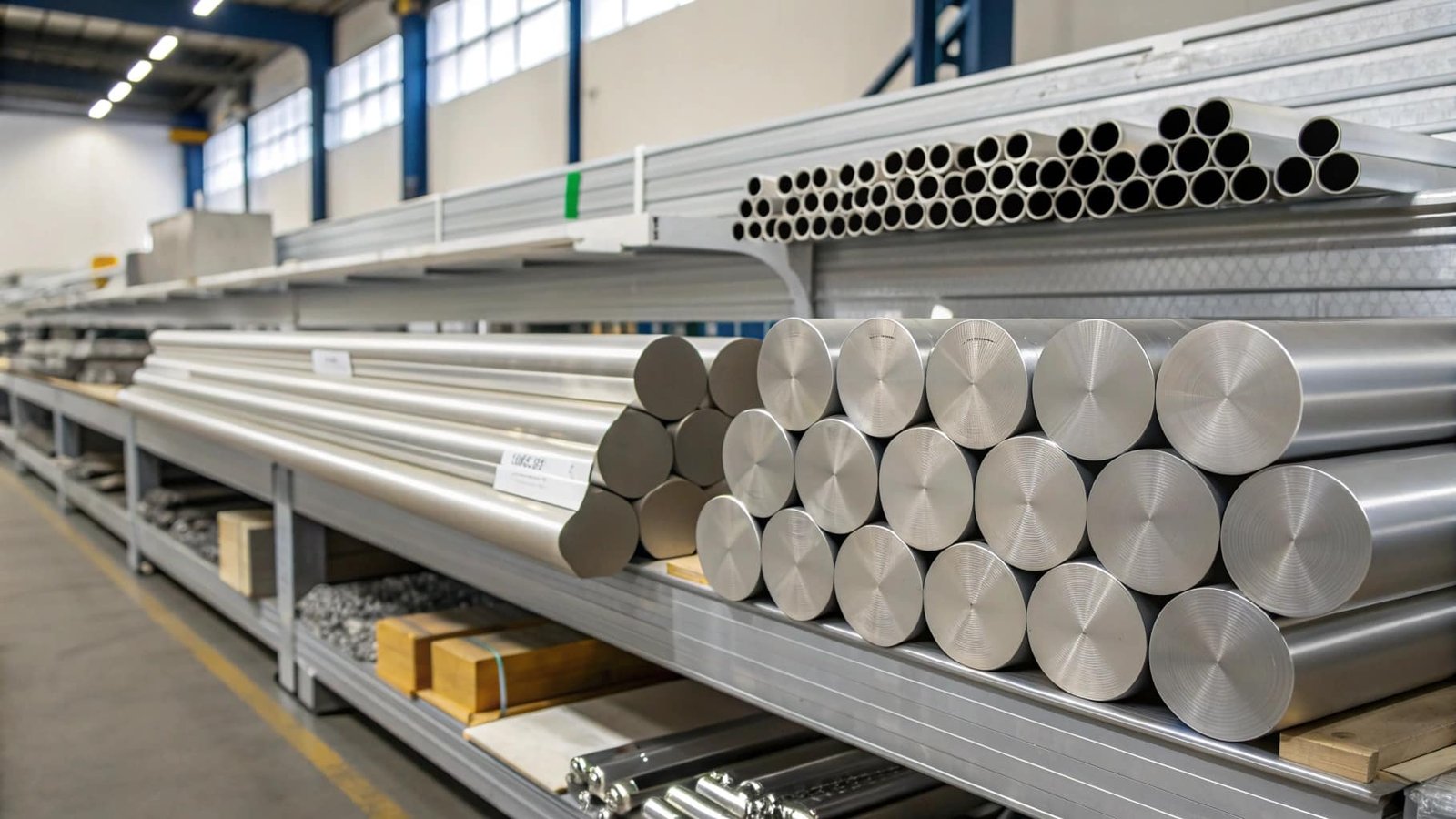
You see "aerospace-grade aluminum" and think it's just a stronger version of the metal. This overlooks the critical manufacturing process that ensures a part is safe enough for flight.
The aerospace industry relies on forged aluminum1 because the process eliminates microscopic defects found in other forms of the metal. Forging creates a dense, uniform grain structure, providing a guarantee of material integrity essential for preventing catastrophic failure under extreme stress.
In the aerospace industry, it's not just about the strength you can test for; it's about the flaws you cannot find. I've learned from my most demanding clients that forging is a process guarantee. It physically compresses and shapes solid metal, eliminating the microscopic voids and inconsistencies that are the starting points for cracks and failure. It’s this assurance of absolute material integrity, from the core of the metal to its surface, that makes forging the only choice for safety-critical aerospace components.
What Type of Aluminum is Used in Aerospace?
You need to source aluminum for an aerospace application. The sheer number of alloys is overwhelming, and choosing the wrong one could compromise the project's safety and performance.
Aerospace primarily uses high-strength, heat-treatable alloys from the 2xxx, 6xxx, and 7xxx series. The most common grades are 2024 for fatigue resistance, 6061 for versatility, and 7075 for its exceptional strength-to-weight ratio2.
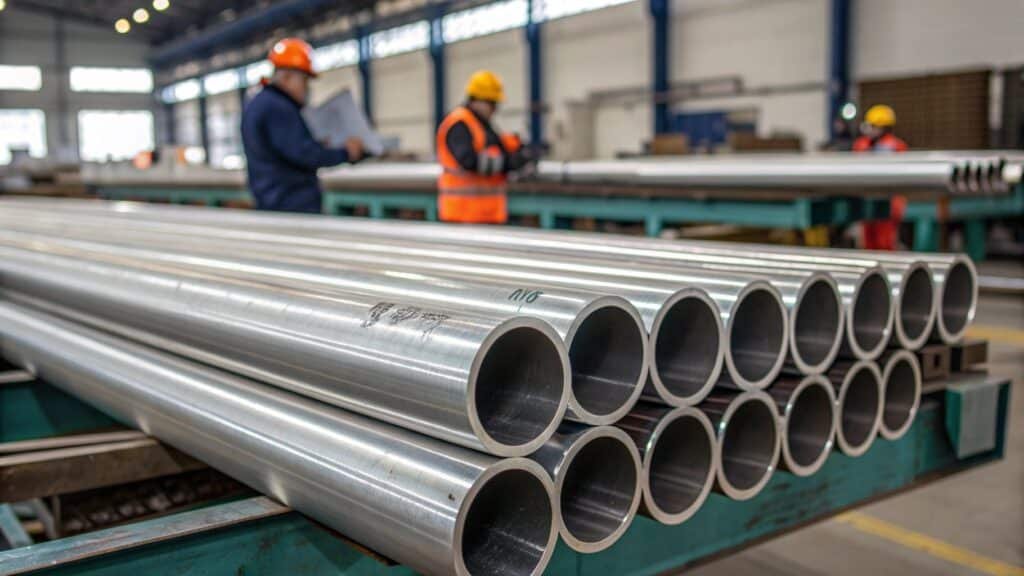
When we get an inquiry for an aerospace component, the alloy specified is almost always from one of these three families. Each series has a distinct personality engineered for a specific job. Think of 2024 as the durable marathon runner, excellent at resisting the constant stress and fatigue cycles seen in an aircraft's fuselage. Consider 7075 the powerful weightlifter, providing the highest possible strength for critical structural parts like wing spars and landing gear where failure is not an option. And 6061 is the reliable all-around athlete, offering a great balance of strength, corrosion resistance, and cost-effectiveness for less critical structural applications. Understanding these fundamental roles is the first step for any manager sourcing materials for this demanding industry. The right alloy is always the one designed for the specific stresses it will face.
Key Aerospace Aluminum Alloys
| Alloy Series | Key Alloying Elements | Primary Strengths | Typical Aerospace Applications |
|---|---|---|---|
| 2xxx | Copper | Excellent fatigue resistance, good strength | Fuselage, wing skins, tension structures |
| 6xxx | Magnesium & Silicon | Good strength, weldability, high corrosion resistance | Secondary structural parts, fittings |
| 7xxx | Zinc | Highest strength, excellent strength-to-weight ratio | Wing spars, landing gear, critical frames |
Why is Pure Aluminum Not Used in Aircraft?
You know that pure aluminum is lightweight and corrosion-resistant. This makes you wonder why it isn't the go-to material for building aircraft, which need both of those qualities.
Pure aluminum is not used in aircraft structures because it is far too soft and weak. It cannot withstand the immense aerodynamic forces, vibrations, and stress that an aircraft endures during flight.
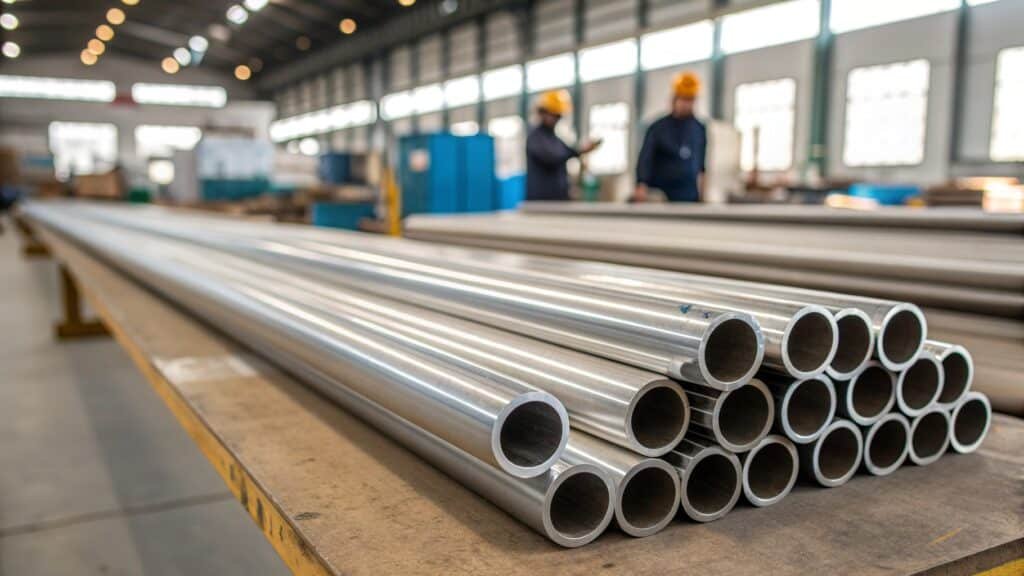
This is a fundamental concept in materials science that directly impacts safety. Pure aluminum is a very ductile material. You could easily bend or dent a sheet of it. To make it strong enough for aerospace, we must alloy it. Alloying is the process of mixing other elements into the metal to enhance its properties. For example, adding a small percentage of copper creates the 2xxx series alloys, which dramatically increases strength and fatigue resistance. Adding zinc creates the 7xxx series, which achieves strength levels comparable to some steels. These additions transform soft, pure aluminum into a high-performance structural material. So, while an aircraft is often described as being made of "aluminum," it is always made of a precisely engineered aluminum alloy designed specifically for strength and durability.
What is the Difference Between Aluminum and Forged Aluminum?
You see the terms "aluminum" and "forged aluminum" used on spec sheets. You might think they are interchangeable, but this misunderstanding could lead you to approve a much weaker material.
"Aluminum" refers to the basic material. "Forged aluminum" describes a finished product made by shaping solid aluminum under extreme pressure, which refines its grain structure and removes internal defects for superior strength.
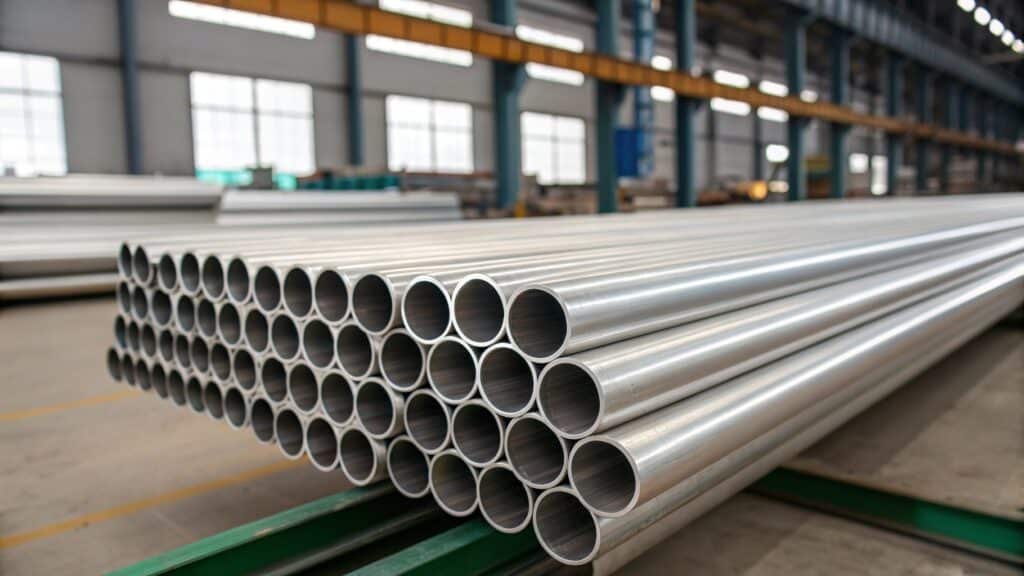
This is the most critical distinction for any high-stress application. Standard aluminum can be cast by pouring liquid metal into a mold. This process is cheap but can trap tiny air bubbles (porosity) and create a random, weak internal grain structure. These are invisible defects that become failure points under stress. Forging is completely different. At SWA Forging, we start with a solid billet of high-purity aluminum alloy. We heat it and then use immense force from a press to shape it. This process physically compresses the metal, closes any internal voids, and forces the grains of the metal to align with the shape of the part. This creates a continuous, unbroken grain flow. The result is a component that is not just strong, but also predictable and reliable from its core to its surface.
What is the Main Reason Aluminum is Favored in the Aerospace Industry?
You know that other materials like steel are stronger and titanium is better at high temperatures. So, you want to understand the single biggest reason why aluminum remains king in aerospace.
The main reason aluminum is favored is its outstanding strength-to-weight ratio. It provides the necessary structural strength to build a safe aircraft while being light enough to allow for efficient flight and good fuel economy.
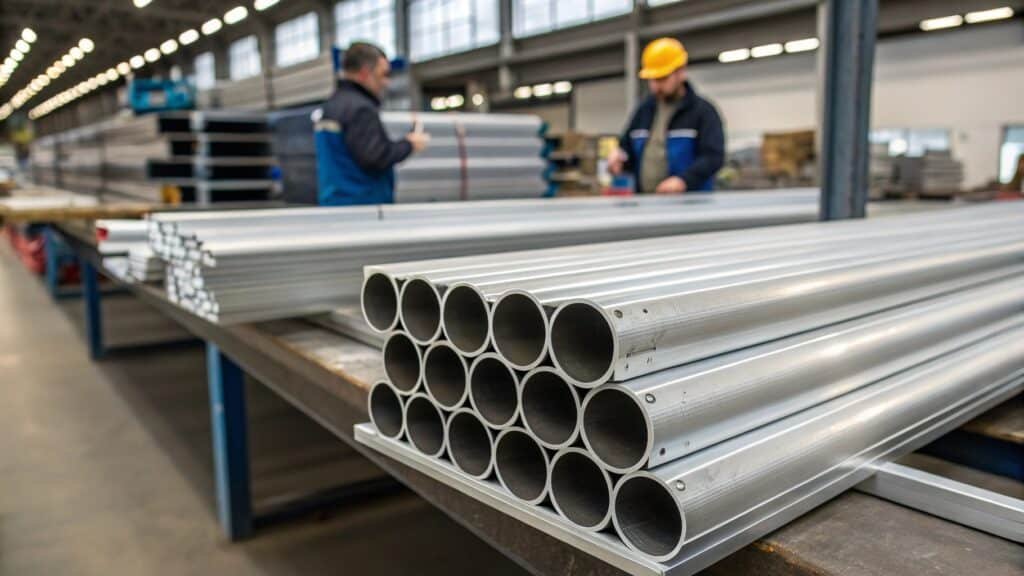
Everything in aerospace comes down to a battle against gravity. Every single kilogram of weight requires more fuel to lift and keep in the air. While steel is very strong, it is also very heavy. Building a plane out of steel would make it so heavy that it would be incredibly inefficient, if it could even fly at all. Titanium is also strong and light, but it is much more expensive and harder to machine, so it is used only in specific high-temperature areas like around the engines. Aluminum hits the perfect sweet spot. It is strong enough to handle the immense forces of flight, yet light enough to make the aircraft economically viable. This exceptional balance is what allowed the aviation industry to take off in the first place, and it's why aluminum alloys, especially forged aluminum alloys, continue to be the primary material for aircraft structures today.
Conclusion
The aerospace industry relies on forged aluminum for its guaranteed integrity. The forging process eliminates microscopic flaws, providing the certainty required for components where failure is not an option.