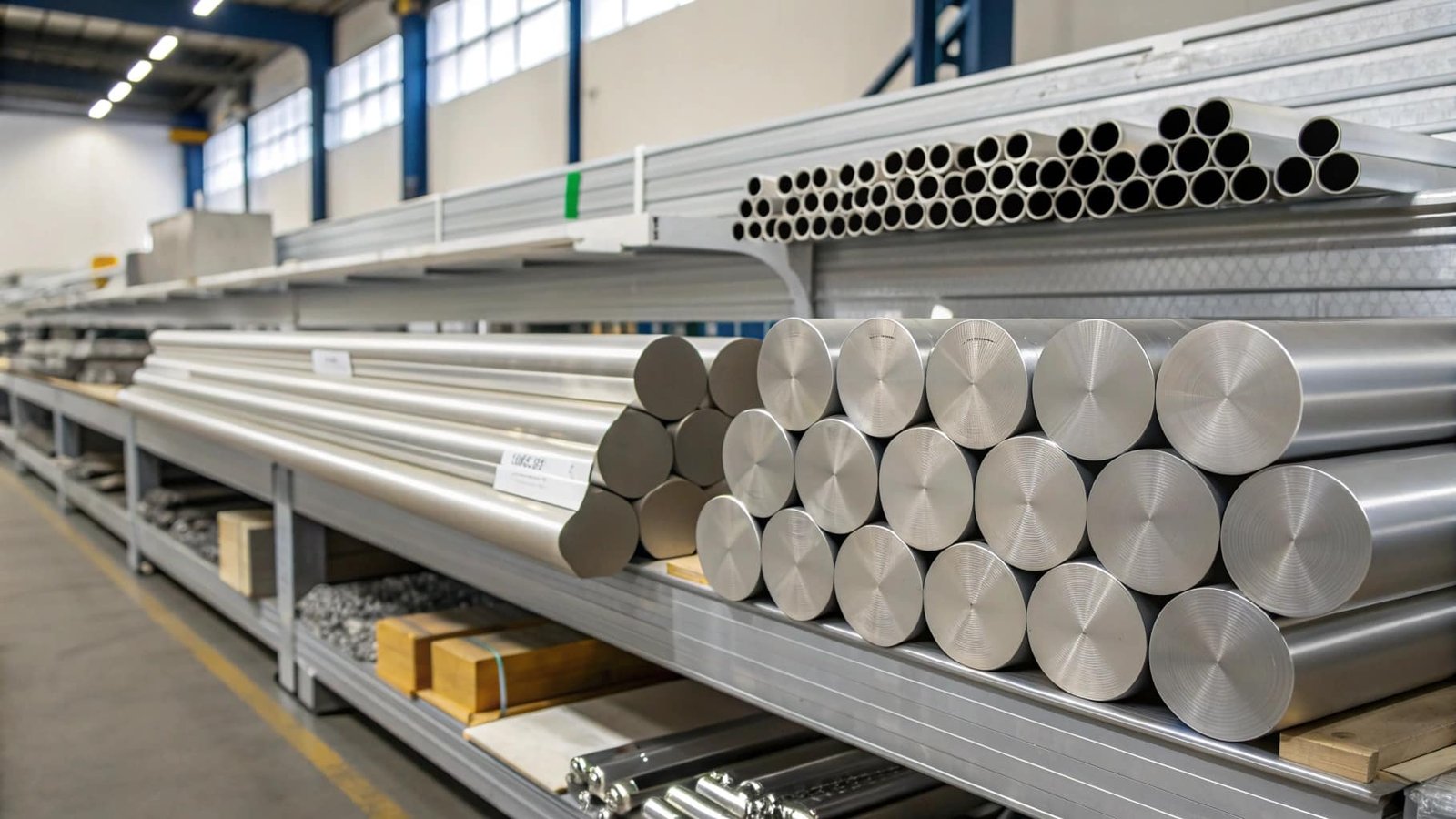
Buying a large, solid block of aluminum for your CNC machine feels wasteful. You know a huge portion of that expensive material will end up as metal chips on the floor.
A custom forged disc is not raw material; it's a manufacturing head start. The true value is in the machining you don't have to do. By delivering a near-net shape with a perfect internal structure, we save you significant material waste and machining time.
For over a decade, I've worked with machining companies and traders across the Middle East. A common story I hear is about the massive cost of "hogging out" parts from oversized bar stock. The initial price of the material is just the beginning. The real costs hide in hours of machine time, premature tool wear, and barrels of wasted aluminum chips. At SWA Forging, we changed this conversation. We don't just sell aluminum; we provide a smarter solution. Our custom forged aluminum discs give you a component that is already closer to your final shape and internally stronger than any standard block.
Is Forged Aluminum Better?
You're buying standard bar stock and wondering if there's a stronger, more reliable option. This uncertainty forces you to over-engineer parts, increasing weight and cost just to be safe.
Yes, for any stressed or critical application, forged aluminum is significantly better. The forging process refines the material's grain structure, creating a dense, uniform component with superior strength, fatigue resistance, and toughness compared to cast or extruded aluminum.
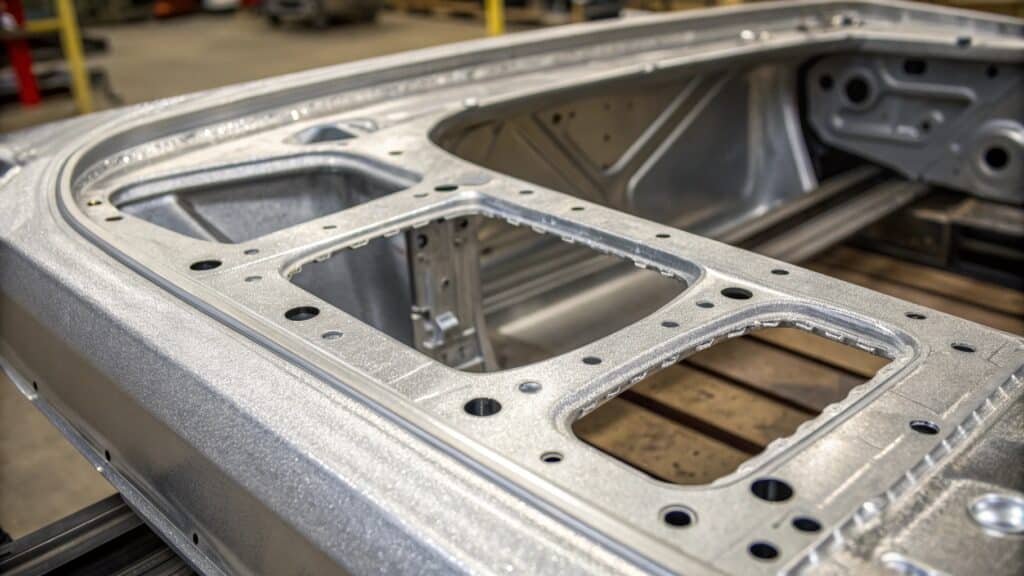
The difference between a forged part and an extruded or cast one is literally night and day, but you can't see it from the outside. The magic is in the material's internal grain structure. Casting creates a random, often porous structure, which is inherently weak. Extrusion stretches the grains into long strings, making the part strong in one direction but weak in the others. Forging is different. Our process uses immense pressure to shape the metal, forcing the grains to align and refine into a tight, interlocking structure. This eliminates internal voids and creates isotropic properties, meaning the part is equally strong in all directions. For our machining clients, this means they are building their final product on a foundation of predictable, uniform strength, which is essential for any high-performance component.
Manufacturing Process Comparison
| Property | Cast Aluminum | Extruded Aluminum | Forged Aluminum |
|---|---|---|---|
| Grain Structure | Coarse, Random | Linear, Directional | Fine, Uniform, Non-directional |
| Strength | Low | Good (in one direction) | Excellent (in all directions) |
| Internal Defects | Porosity is common | Can have internal flaws | Virtually free of defects |
| Reliability | Poor | Unpredictable under complex stress | Highest level of reliability |
Is 6061 T6 Aluminum Forged?
You see "6061-T6" on a material spec sheet but are unsure if it guarantees the best performance. This ambiguity could mean you are buying a weaker form of the material without realizing it.
The designation 6061-T6 only describes the alloy and its heat treatment. The material itself can be cast, extruded, or forged. A forged 6061 part that is then heat treated to T6 temper will be the strongest, most reliable version available.
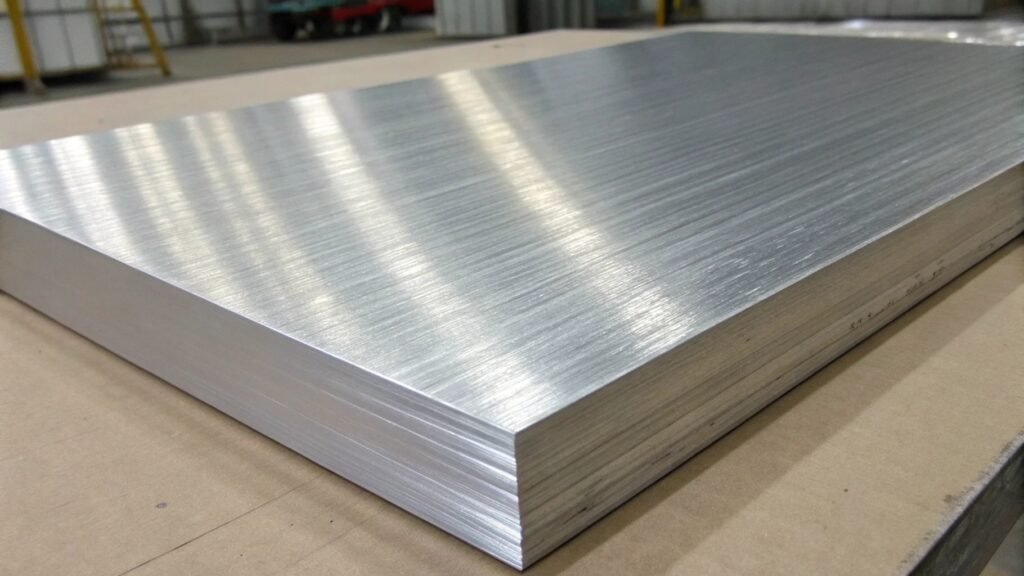
This is a critical point of confusion for many buyers. They see "6061-T6" and assume all products with that name are the same. They are not. The temper designation "-T6" refers to a specific process of solution heat-treating and then artificially aging the material to achieve high strength. You can apply this T6 process to a cast part, an extruded bar, or a forged disc. However, the final properties will be vastly different. The heat treatment can't fix a poor internal structure. At SWA Forging, our process is optimized for this. We first forge the 6061 aluminum, creating the ideal fine-grained internal structure. Then, we apply the T6 heat treatment. This synergy unlocks the alloy's maximum potential, delivering superior mechanical properties that our ISO 9001 certified process guarantees every time.
What Is the Best Aluminum for Forged Wheels?
You need to select an alloy for a critical safety component like a wheel. The high stakes make this a stressful choice, as a mistake could lead to catastrophic failure.
6061-T6 aluminum is the industry standard and the best all-around choice for high-performance forged wheels. It offers an excellent balance of high strength, light weight, good machinability, and corrosion resistance, which are all essential for a durable wheel.
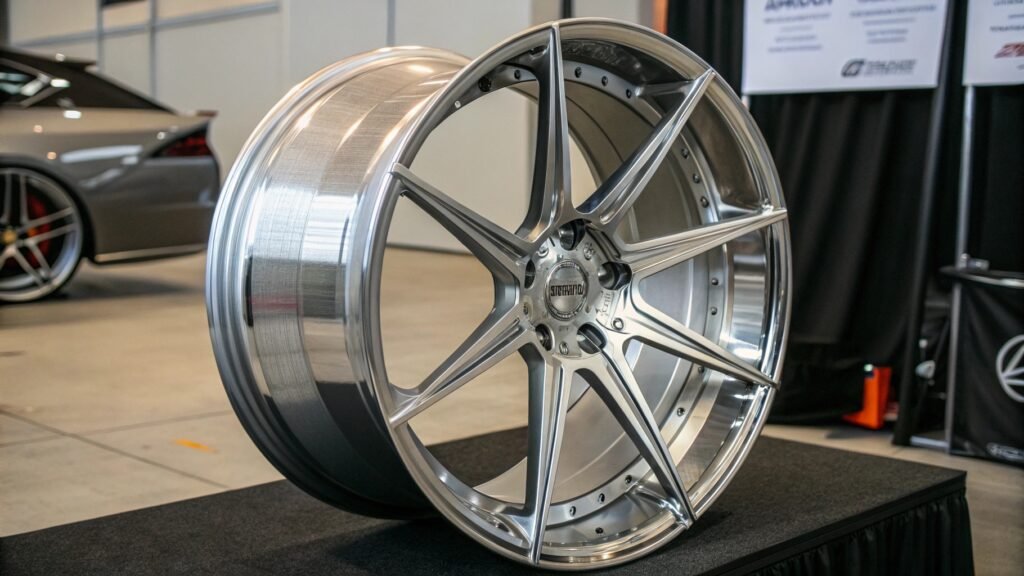
When it comes to forged wheels, there is a reason the entire industry relies on 6061-T6. It hits the perfect sweet spot of performance characteristics. You need high strength to handle the immense forces of cornering and braking, and 6061-T6 delivers. You need it to be lightweight for better vehicle performance, which is a core benefit of aluminum. You also need it to resist corrosion from road salt and the elements. While other alloys might be stronger on paper, they have significant drawbacks for this application. For example, 7075 aluminum is stronger, but it is much more susceptible to stress corrosion cracking, which is a major safety risk for a wheel. Our custom forged 6061 discs are the perfect starting point for wheel manufacturers. We provide a sound, reliable blank that has the certified integrity needed for such a critical component.
How Much Does a CNC Block of Aluminum Cost?
You're quoted a high price for a large CNC block of aluminum and you know half of it will be machined away. This visible waste makes you question the entire cost-effectiveness of your project.
The sticker price of a raw block is misleading. The true cost is much higher after you factor in wasted material and long machining hours. A near-net shape forged disc from us often results in a lower total project cost.
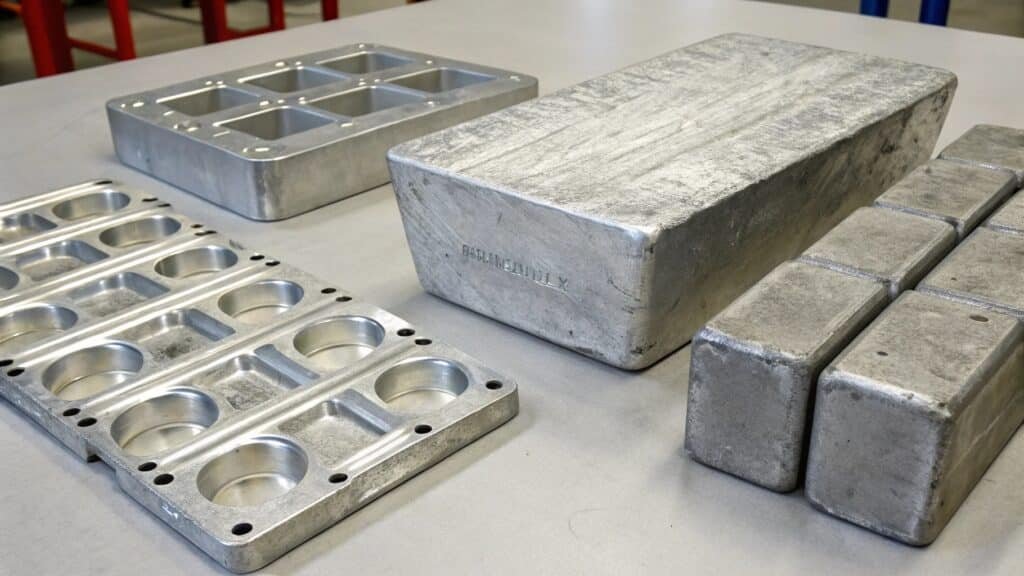
Let's break down the real cost. When you buy a massive block of aluminum, you pay for every kilogram. If you machine away 50% of that block to get your final part, you have paid for a huge amount of metal that is now low-value scrap. Even worse, you've paid for the machine time, operator salary, and tool wear required to turn that solid metal into chips. This is where our custom forged discs offer a huge advantage. We can forge a disc that is much closer to your final dimensions, a "near-net shape." This immediately reduces your material cost because you are buying less excess aluminum. It dramatically cuts down on machining time, freeing up your expensive CNC machines to work on other jobs. It is a smarter, leaner way to manufacture.
Conclusion
A custom forged disc is not a raw material; it's a manufacturing head start that saves you material, machining time, and tooling costs, delivering a better part for a lower total price.