Choosing an aluminum grade feels like a high-stakes guessing game. Pick the wrong one, and you risk project failure, wasted budget, and a damaged reputation.
An aluminum grade is a starting point. It defines the material's chemical potential, but the forging process unlocks its true performance. At SWA Forging, we use our expertise to turn a specific grade into a guaranteed high-performance component.
For us, a grade like 7075 or 6061 is not a final specification; it's the beginning of an engineering process. The chemical composition, defined by the grade, sets the material's potential. But it's our forging process1 that dictates its final performance. We take that raw potential and, through immense pressure and precise temperature control, refine the grain structure. This unlocks levels of strength and fatigue resistance that a raw billet or a simple machined part can never achieve. It's how we transform a simple number into a reliable solution for our clients.
What are the Different Grades of Aluminum?
You see a jumble of numbers like 5052, 6061, and 7075. These codes seem random, making it difficult to compare materials or feel confident in your choice.
Aluminum grades are organized into a logical system of "series" from 1xxx to 8xxx. Each series is defined by its primary alloying element, which determines the grade's fundamental properties like strength, corrosion resistance2, and formability.
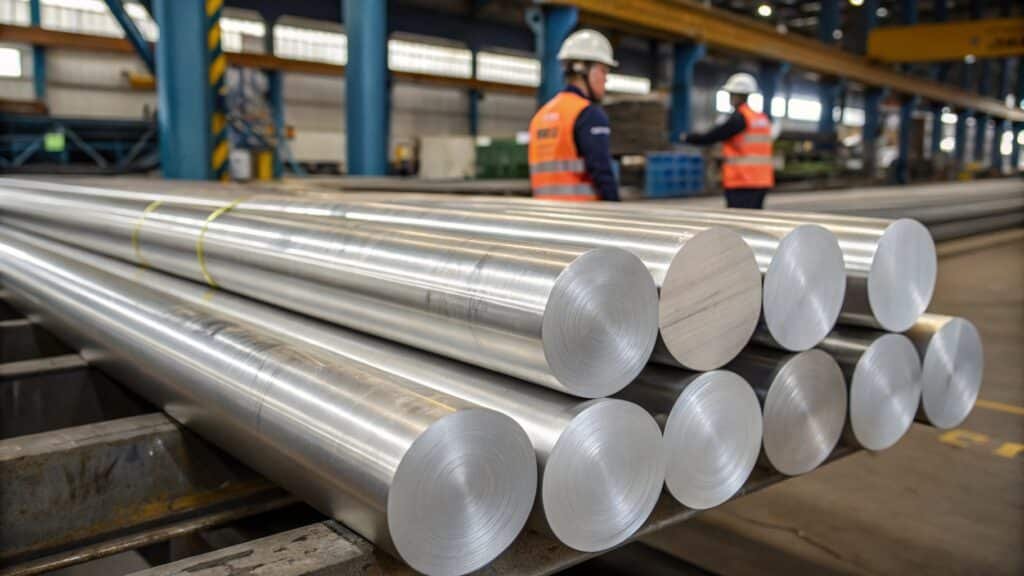
The four-digit numbering system isn't random at all; it's a code that tells us exactly what's in the metal. The very first digit is the most important, as it tells you the alloy series or family. For those of us in the forging world, we primarily focus on a few key series that offer the best combination of strength and workability. Understanding these main families makes it much easier to select the right material. For example, if a client needs excellent corrosion resistance for a marine application, we immediately start thinking about the 5xxx series. If they need the highest possible strength, we look to the 7xxx series. It’s the first step in matching the material to the job.
Common Forging Alloy Series
| Series | Primary Alloying Element | Key Characteristics |
|---|---|---|
| 2xxx | Copper (Cu) | High strength, heat-treatable, but lower corrosion resistance. |
| 5xxx | Magnesium (Mg) | Excellent corrosion resistance, good weldability, not heat-treatable. |
| 6xxx | Magnesium & Silicon (Mg+Si) | Good all-around strength, formability, and corrosion resistance. Heat-treatable. |
| 7xxx | Zinc (Zn) | Highest strength, heat-treatable. The workhorse for aerospace. |
Is 6061 or 7075 Aluminum Stronger?
You have a critical part that demands high strength. You're trying to decide between 6061 and 7075, but making the wrong choice could compromise your design or unnecessarily inflate your budget.
7075 aluminum3 is significantly stronger than 6061. In its T6 temper, 7075 can have a tensile strength that is nearly double that of 6061-T6, which is why it's a go-to choice for high-stress aerospace and industrial applications.
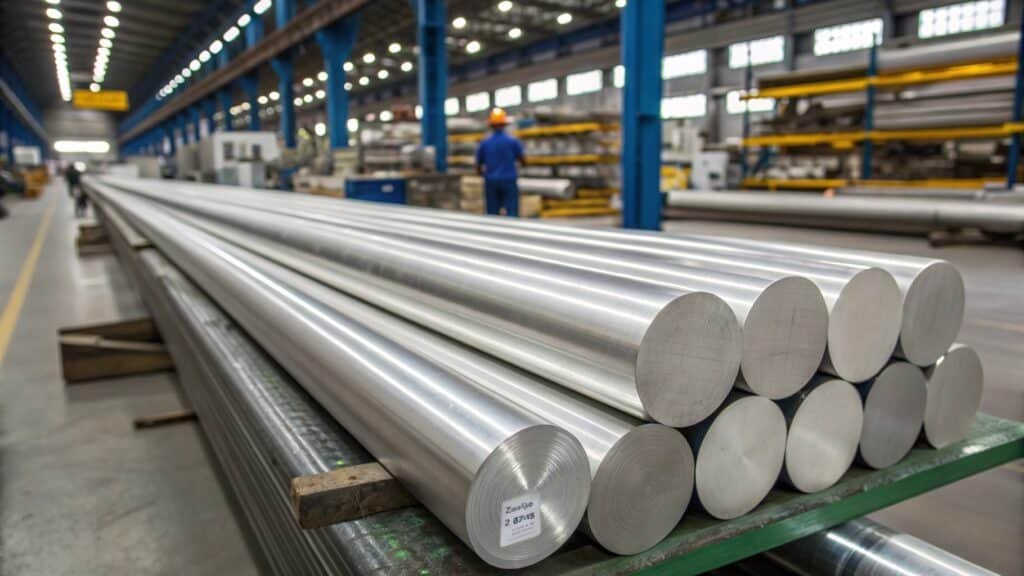
This is one of the most common questions we get, and the answer is always: "7075 is stronger, but is it the right choice for you?" While 7075 is the undisputed champion of strength, that power comes with trade-offs. It is more expensive than 6061 and can be more susceptible to stress corrosion cracking if not handled correctly. 6061, on the other hand, is the reliable workhorse. It offers fantastic strength for a huge range of applications, has better corrosion resistance, is easier to weld, and is more cost-effective. When a client comes to me, my first question is about the application. If it's a critical, high-stress part where every gram matters, we forge 7075. For almost everything else, a forged 6061 component provides more than enough strength and a better overall value.
How Do I Know If My Aluminum is 5052 or 6061?
You have a piece of aluminum with no markings. You need to use it, but without knowing the grade, you're risking a catastrophic failure in your process or final product.
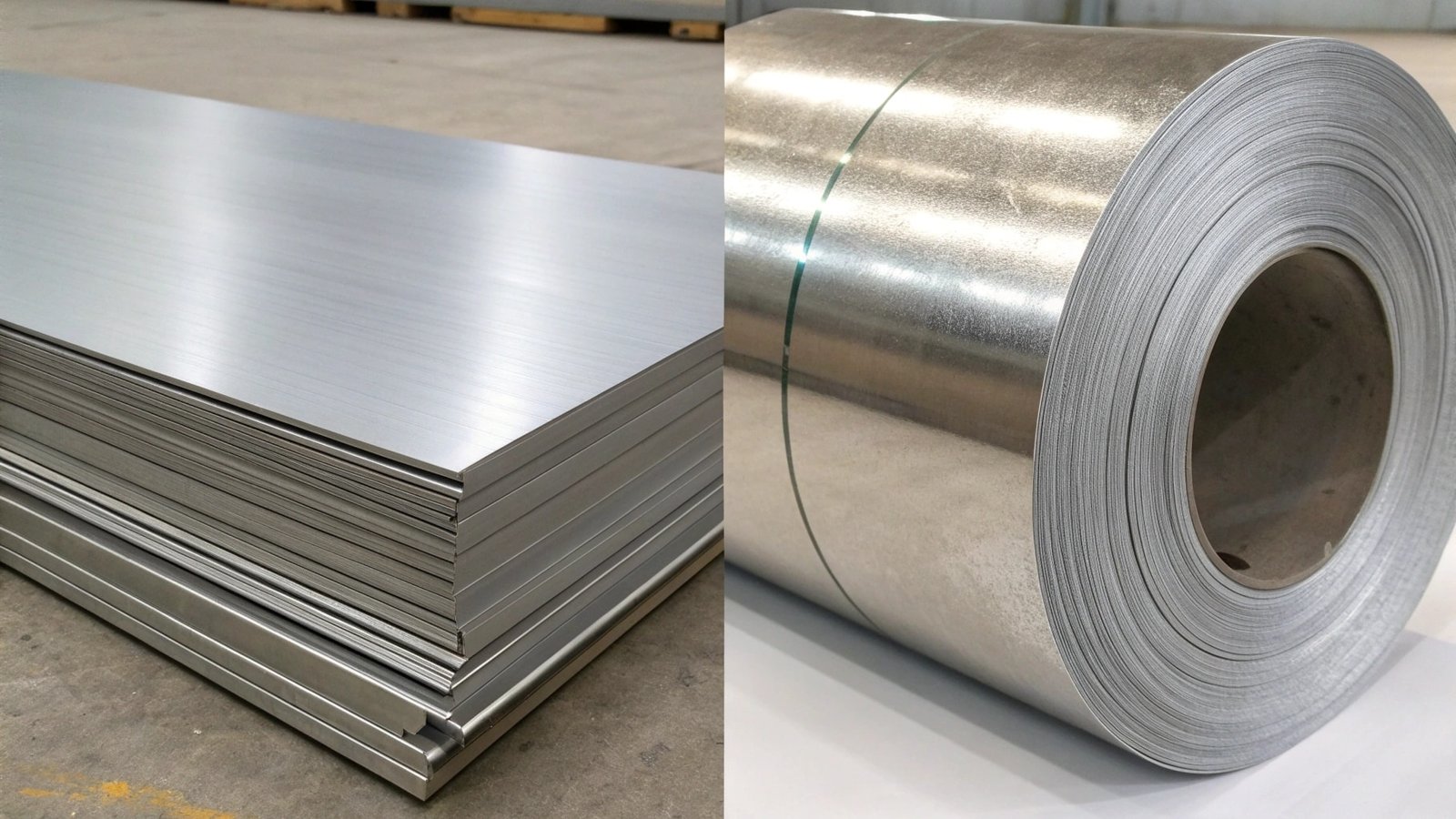
Without a lab test, it is very difficult to be certain. However, 5052 is a non-heat-treatable alloy mainly used for sheet metal, while 6061 is heat-treatable and common for forged or extruded parts. The form of the material gives you the biggest clue.

This is a dangerous guessing game that no professional should have to play. While there are subtle visual cues, they are unreliable. 5052 is often found as a sheet or plate and is known for its excellent formability, so you see it in bent and formed products. 6061 is a forging and extrusion alloy, so it's typically a solid bar, ring, or complex shape. The most critical difference is that 6061's strength comes from heat treatment. Using 5052 where a heat-treated 6061 part is specified would be a disaster. This is exactly why traceability is non-negotiable at SWA Forging. Every single order we ship comes with a product quality certificate detailing the exact grade, temper, and batch number. It’s not just paperwork; it’s your guarantee that you are getting exactly what you paid for, removing all doubt and risk from your production process.
Is 5052 or 6061 Aluminum Cheaper?
You're working on a budget and need to choose the most cost-effective aluminum. You see both 5052 and 6061 available, but the pricing isn't always straightforward.
As a raw material, 5052 is generally slightly cheaper per kilogram than 6061. However, the final cost of a part depends more on the manufacturing process and whether the properties of the cheaper alloy are suitable for the application.
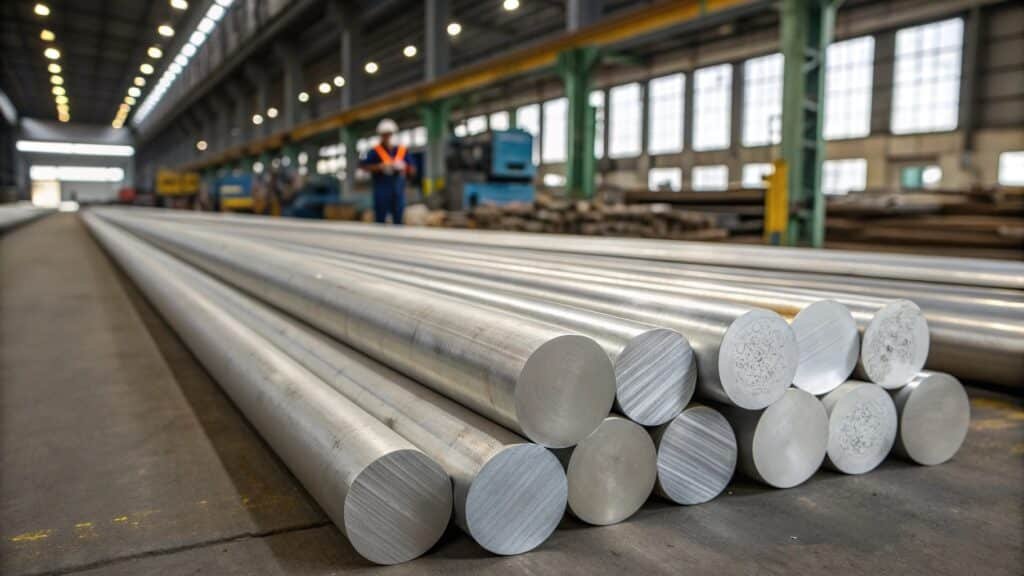
While the raw material cost is a factor, it's often the least important part of the equation. You cannot compare these two grades on price alone because they are designed for completely different jobs. 5052 is a strain-hardening alloy, perfect for sheet metal applications where you bend it into its final shape. It's cheap and effective for things like panels, tanks, and enclosures. 6061 is a heat-treatable alloy4, designed for creating strong, structural components through forging or extrusion. You might save a small amount buying 5052 material, but you can't forge it or heat treat it to achieve high strength. If you need a strong, load-bearing part, trying to use 5052 would fail. The real cost consideration is choosing the right material for the job from the start. A slightly more expensive raw material like 6061 becomes the far cheaper option when it's the only one that can perform the task safely and reliably.
Conclusion
An aluminum grade is your starting point. Partnering with an expert who understands how to unlock its potential through forging is what guarantees performance, safety, and value for your project.
-
Learn how the forging process transforms aluminum grades into high-performance components, maximizing their potential. ↩
-
Learn how different aluminum grades offer varying levels of corrosion resistance, crucial for specific applications. ↩
-
Explore the unique properties of 7075 aluminum, known for its high strength, making it ideal for aerospace and industrial applications. ↩
-
Discover the advantages of heat-treatable alloys like 6061 in enhancing strength and performance. ↩