You rely on datasheet numbers for your designs, but what if that number isn't the real-world strength? This creates risk, potentially leading to component failure and a damaged reputation.
Yield strength is the point where a material deforms permanently. While a datasheet provides a baseline promise, our forging process guarantees this strength is consistent and reliable throughout the entire part, turning a number into a reality.
When I look at a material test certificate, I see more than just numbers. A datasheet's yield strength is a material's minimum promise. It's a theoretical value measured from a small test sample under ideal conditions. But your parts don't operate in a lab. They operate in the real world. Our forging process is the guarantee. We create a refined, uniform grain structure that eliminates weak points and internal defects. This ensures the strength listed on the certificate is the actual, reliable performance of your final component, not just a theoretical number you have to hope for.
What is the Yield Strength of Aluminum?
Designing a part without understanding yield strength is like building on sand. Your component could bend permanently under normal use, causing costly failures and operational downtime.
Yield strength is the maximum stress an aluminum alloy1 can handle before it bends out of shape for good. It's the most critical value for engineers to ensure a part remains elastic and functional under its expected load.
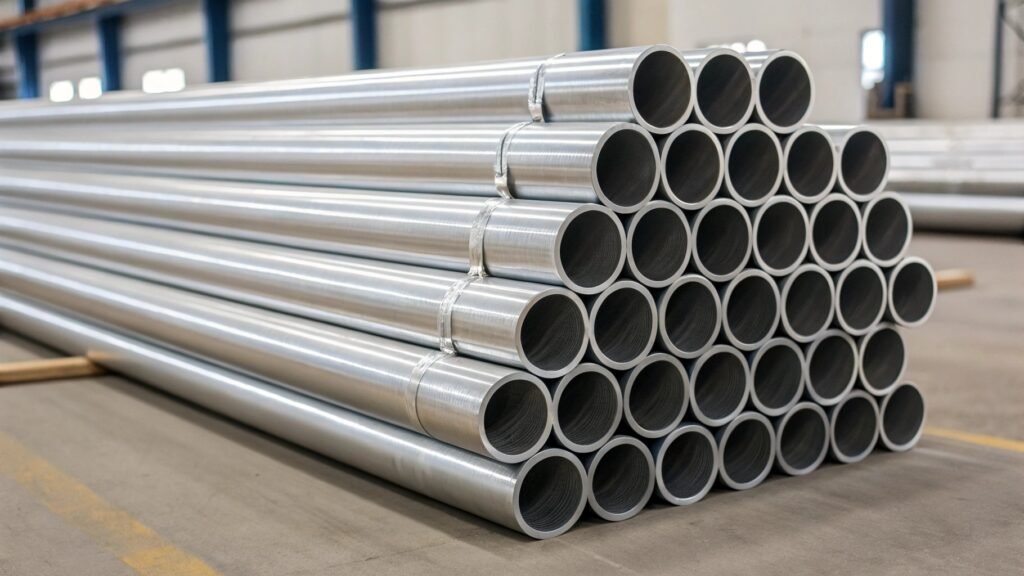
Think of yield strength as the material's "point of no return." Before a part reaches its yield strength, it acts like a rubber band. You can apply a load, it will flex, and when you remove the load, it snaps back to its original shape. This is called elastic deformation. But if you apply a load that exceeds the yield strength, the part behaves like a paperclip. It bends and stays bent, even after you remove the force. This is plastic deformation, and in most structural applications, it means the part has failed. As forgers, our job is to maximize this yield strength through controlled grain refinement and heat treatment, giving engineers the highest possible performance and safety margin for their designs.
Typical Yield Strength of Common Aluminum Alloys
| Alloy Grade (Temper) | Typical Yield Strength (MPa) | Primary Use Case |
|---|---|---|
| 5052-H32 | 193 | Sheet metal, Marine |
| 6061-T6 | 276 | Structural, Forgings |
| 7075-T6 | 503 | Aerospace, High-Stress |
How Does Aluminum's Yield Strength Compare to Steel?
You automatically think steel is stronger. This assumption might lead you to specify a heavy, over-engineered part that is expensive to machine, ship, and handle.
On a pure strength basis, many steel alloys have a higher yield strength. However, high-strength aluminum alloys2 like 7075-T6 rival common steels at only one-third the weight, offering a superior strength-to-weight ratio.
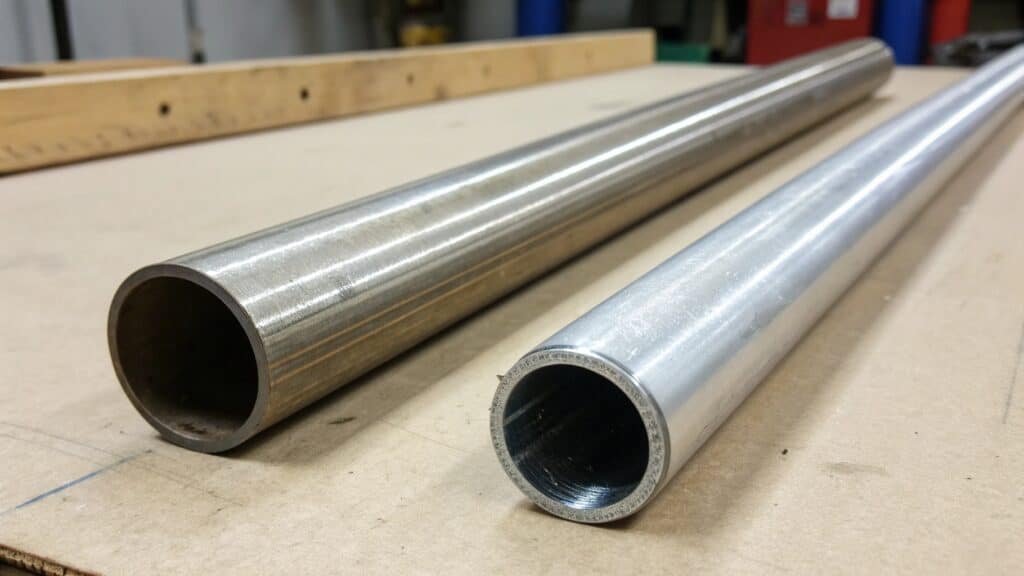
Comparing the yield strength of aluminum and steel kilogram-for-kilogram is the wrong approach. The real story is in the strength-to-weight ratio3. A solid bar of steel will almost always have a higher yield strength than a solid aluminum bar of the same size. But it will also be three times heavier. For our customers, this is a critical calculation. You can design a larger, thicker, yet significantly lighter aluminum component that meets or even exceeds the strength requirements of a steel part. This leads to massive benefits. Lighter final products are more fuel-efficient, easier to transport, and simpler to install. For our machining customers, less dense material often means faster machining times and less tool wear. It’s not just about which material is "stronger," but which material is smarter for the application.
Which Metal Has the Highest Yield Strength?
You're searching for the absolute strongest material available. This quest for the "best" can be misleading and distract you from finding the most practical solution for your actual needs.
Specialized materials like tungsten or maraging steels have some of the highest yield strengths. However, these are extremely expensive and difficult to work with. For most applications, the "best" material offers the right balance of properties.
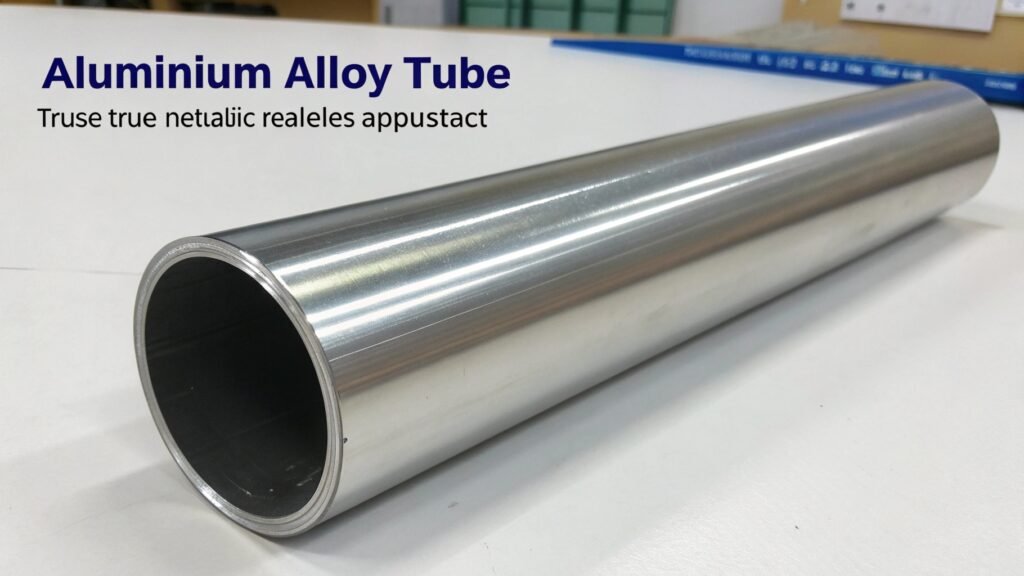
While it's interesting to know that exotic metals have incredibly high yield strengths, it's rarely a practical consideration. These materials are reserved for extreme applications like rocket nozzles or specialized tooling, and their cost is astronomical. In the world of industrial and commercial manufacturing, the goal is to find the most effective material, not just the strongest. This is where high-strength aluminum alloys, particularly when forged, shine. A forged 7075-T6 aluminum component offers a yield strength comparable to many common steels, but it's also lightweight, corrosion-resistant, and can be produced economically. We often guide clients away from the "strongest" material and toward the "smartest" material. This approach ensures they get the performance they need without paying for exotic properties that offer no real benefit to their final product.
Why Choose Aluminum Over Steel?
You're accustomed to using steel for strength. The idea of switching to a lighter material like aluminum for a structural part feels like a compromise on safety and durability.
Choose aluminum when the strength-to-weight ratio is a critical factor. It delivers comparable strength to steel at one-third the weight, providing benefits in efficiency, handling, and often, total project cost through reduced machining and finishing.
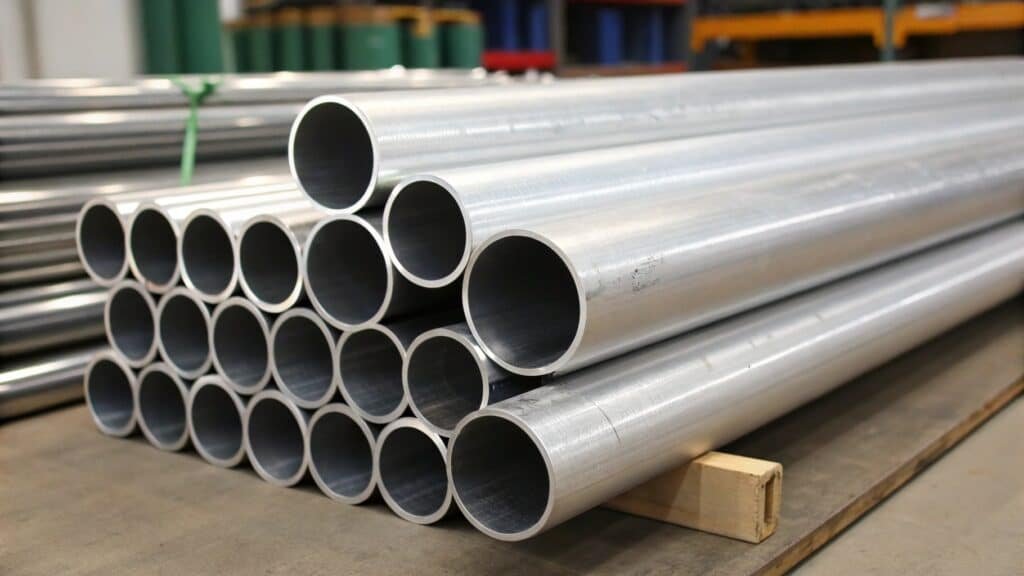
The decision between aluminum and steel comes down to the application's priorities. If you need sheer, brute strength and weight is not a concern, steel is a simple and cheap option. But for almost every other modern application, aluminum presents a more intelligent engineering solution. For our automotive and aerospace clients, the lightweighting benefit is obvious—it saves fuel. For our industrial machining clients, the benefits are just as clear. Aluminum is much easier and faster to machine than steel, which means lower labor costs and faster turnaround times. Its natural corrosion resistance means you can often skip expensive secondary processes like painting or coating. When a client comes to me with a new project, we don't just talk about strength. We talk about the total lifecycle of the part—from raw material cost to machining time to final performance. In that conversation, aluminum very often emerges as the superior choice.
Conclusion
A datasheet gives you a number, but a forged component gives you guaranteed performance. We ensure the yield strength you design for is the strength you get, delivering reliability in every part.