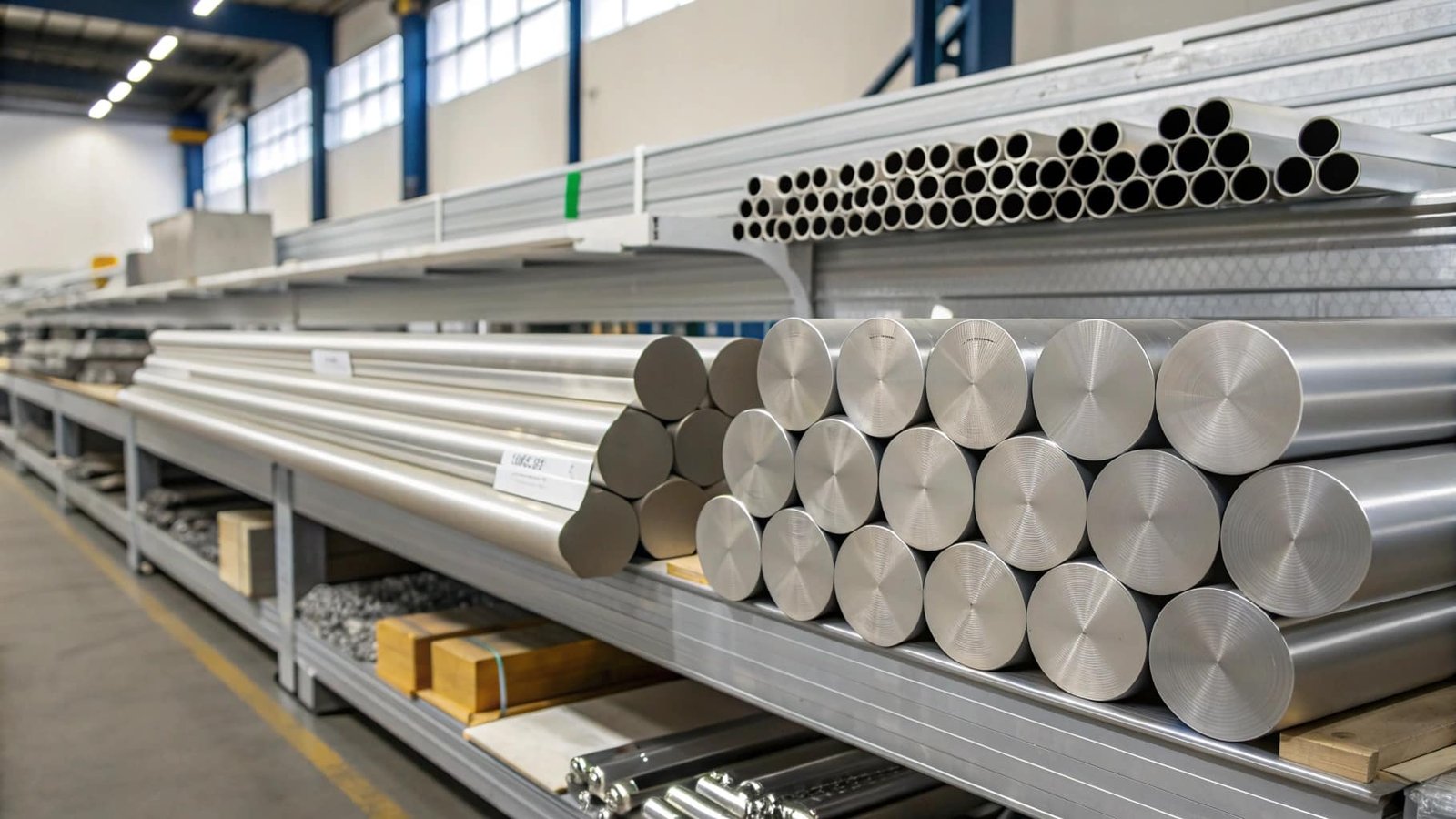
You're used to sourcing standard aluminum profiles like tubes and extrusions. But now, your project demands higher strength and reliability, and you're worried that a standard off-the-shelf product will fail under stress.
Move from thinking about profiles to thinking about foundations. Certified forged blocks, rings, and discs are the unwavering structural starting points for your most critical and high-value machining operations, guaranteeing superior performance where it matters most.
I often speak with clients who are experts in machining but start the conversation by asking about tubes or extruded bars. That's when I tell them we need to think differently. The phrase I use is "Beyond Tubes." We are moving from profiles to foundations. At SWA Forging, we provide the certified forged blocks, rings, and discs that serve as the unwavering structural starting points for your most critical and high-value machining operations. You're not just buying a shape; you're buying a guarantee of internal soundness and strength that an extrusion can never match.
What is forging, and why is it superior for critical parts?
You know that "forging" involves shaping metal, but the real benefit isn't clear. You wonder if it's truly better than just machining a part from a solid block of aluminum.
Forging is a process where we shape metal using immense compressive force. This refines and aligns the metal's internal grain structure, creating a part that is significantly stronger and more resistant to impact and fatigue than any other form of metal.
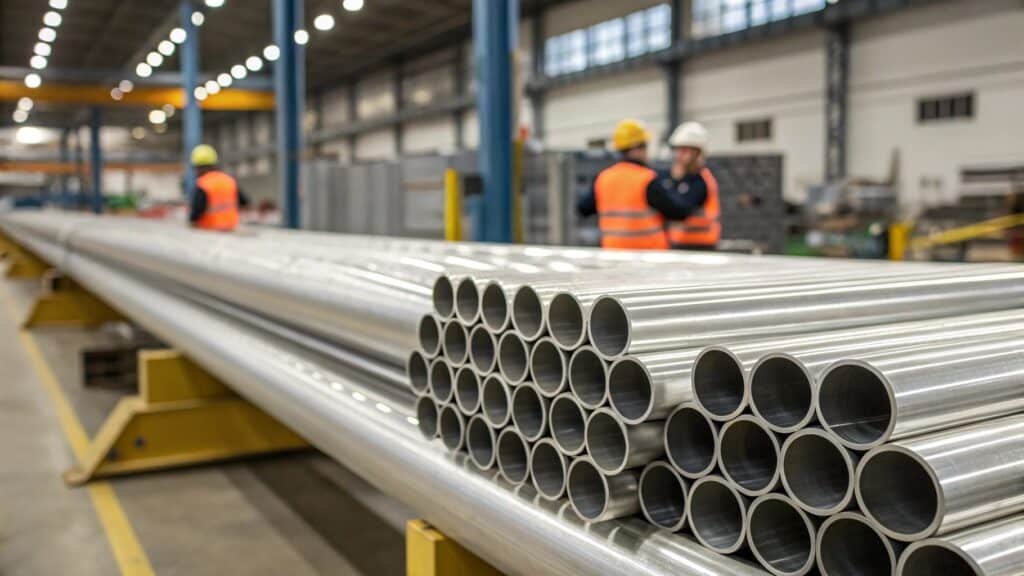
Let me explain it with a simple analogy. Imagine a bundle of uncooked spaghetti. If you try to bend the whole bundle, it's quite strong. This is like the aligned grain flow in a forged part. Now, imagine that spaghetti is broken into tiny pieces and glued together in a block. That's like a cast part; it's weak and has random voids. Machining from a solid block is like cutting across the grain, creating weak points. At SWA Forging, we heat an aluminum billet and use our massive hydraulic presses to squeeze it into shape. This process forces the metal's internal grains to align with the contour of the part. This unbroken grain flow is what gives our large-diameter rings and discs their incredible strength and reliability, making them the perfect foundation for high-stress applications.
| Feature | Forged Part | Cast Part | Machined from Bar Stock |
|---|---|---|---|
| Internal Structure | Aligned, refined grain flow | Random, potentially porous structure | Grain flow is cut and interrupted |
| Strength | Highest possible strength and fatigue resistance | Lower strength, prone to fracture | Good, but compromised by cut grain |
| Reliability | Excellent, consistent, and predictable | Can have hidden internal defects | Reliant on the quality of the bar |
How does forged aluminum compare to steel?
Your default choice for high-strength applications is steel. You assume aluminum is simply a lightweight material for less demanding roles, an assumption that might be adding unnecessary weight to your designs.
While steel is denser, high-strength forged aluminum alloys like 7075 can offer strength comparable to many steels at only one-third of the weight. This superior strength-to-weight ratio makes forged aluminum the winning choice for modern engineering challenges.
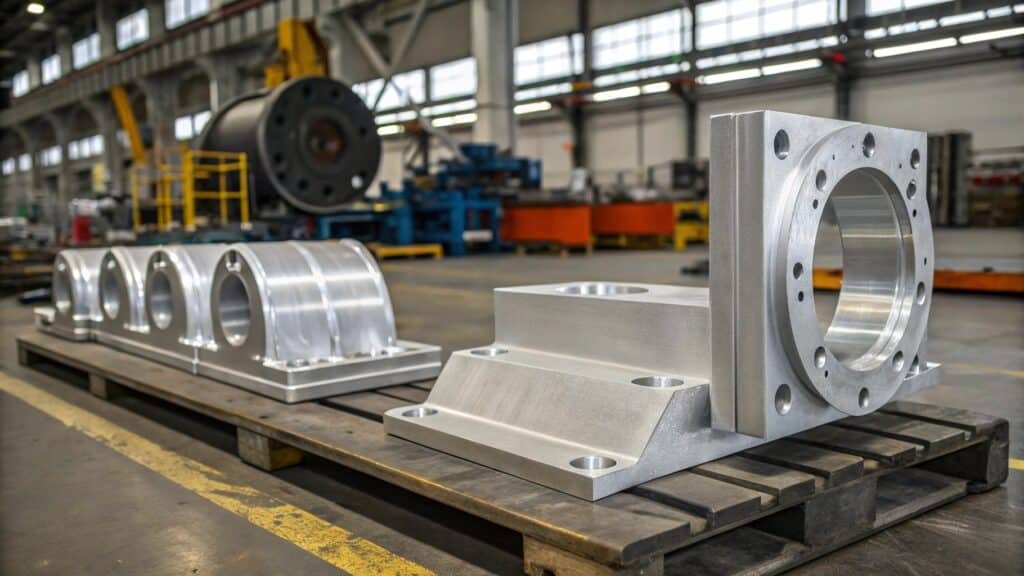
Many of my customers in the machinery and automotive industries are surprised when we compare the numbers directly. They are used to thinking in terms of absolute strength, where steel often wins. But modern engineering is about efficiency. It's about the strength-to-weight ratio. Why carry extra weight if you don't have to? For any part that moves, rotates, or needs to be transported, weight is the enemy. It increases energy consumption and puts more stress on other components. A forged 7075 aluminum part can replace a steel component, provide the necessary strength, and dramatically reduce the overall weight. On top of that, aluminum offers natural corrosion resistance1 that many types of steel lack, reducing maintenance costs and increasing the part's lifespan. It's not just about being strong; it's about being smart with your strength.
Which is better, 6061 or 7075 aluminum?
You hear these numbers used all the time, but you're not sure what the real difference is. Choosing the wrong one could mean you're either over-engineering and overpaying, or risking component failure.
Neither is "better" – they are engineered for different purposes. 6061 is a versatile, cost-effective workhorse with good strength and great corrosion resistance. 7075 is a high-performance specialist, offering strength comparable to steel for the most demanding applications.
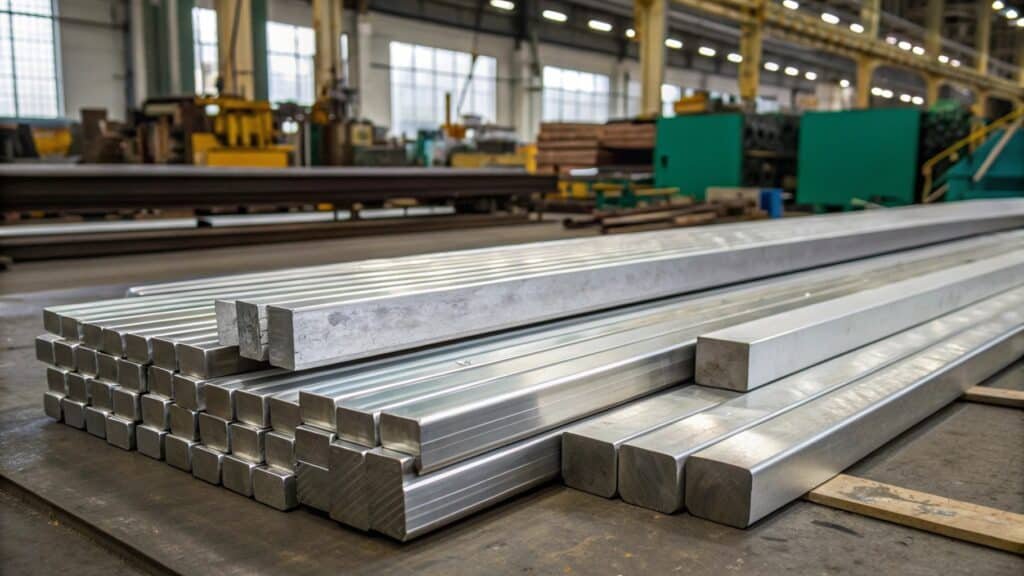
This is one of the most common questions I get, and it's my favorite one to answer because it gets to the heart of what we do as a custom solutions provider.
Choose 6061 when you need a great all-around performer. It's strong, easy to machine, weldable, and has excellent resistance to corrosion. We forge countless parts from 6061 for structural components, machine bases, and general industrial use. For about 80% of applications, 6061 is the perfect and most economical choice.
Choose 7075 when you need maximum strength. This is the "super-alloy" of the aluminum world. With zinc as its main alloying element, its strength-to-weight ratio is phenomenal. We recommend 7075 for our clients in aerospace, defense, and high-performance motorsports. It's for those critical parts where failure is not an option and weight is at a premium. The key is to match the alloy to the job.
Can 7075 aluminum be forged?
You know 7075 is incredibly strong, but you've heard it can be difficult to work with. You're concerned that forging such a high-strength alloy might be impossible or lead to defects.
Yes, 7075 aluminum2 can be forged, and this is the best way to unlock its maximum potential. However, it requires precise temperature control and expert handling, a process that a specialized supplier like SWA Forging has perfected over the last decade.
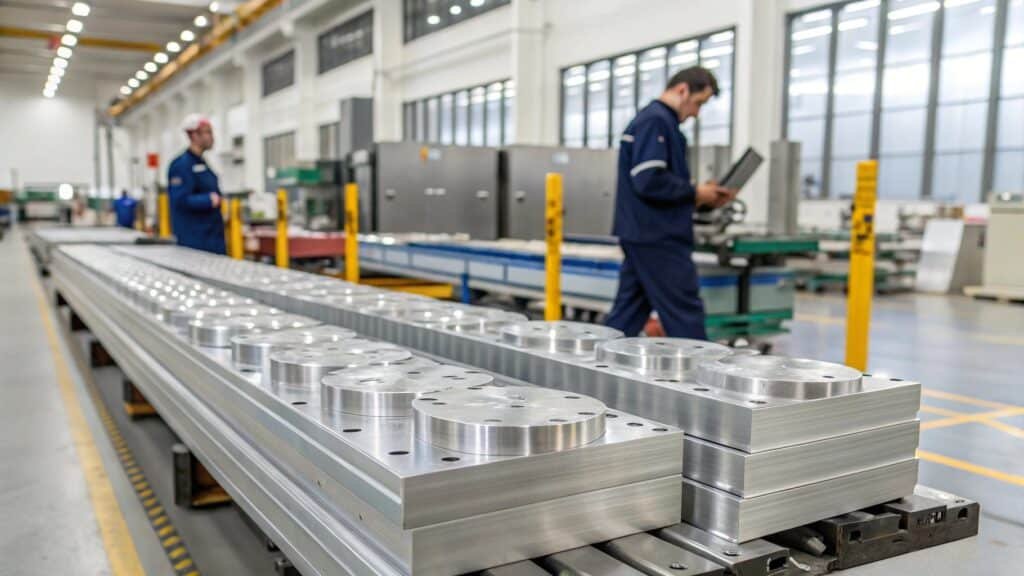
Forging 7075 is definitely a science and an art. It's not as forgiving as 6061. The temperature window for forging 7075 is much narrower, and the forces required are greater. If you heat it too much, the grain structure can be damaged. If you don't heat it enough, it can resist forming and even crack under the pressure of the press. This is where experience is everything. Our technicians and engineers have spent years mastering the specific thermal and mechanical processes needed to forge 7075 successfully. We have strict, certified procedures for everything from pre-heating the billets to the cooling and heat treatment stages after forging. This meticulous control is why our clients trust us with their most critical 7075 components. When we forge 7075, we are not just shaping it; we are optimizing its legendary strength.
Conclusion
Move beyond standard profiles and start your critical projects with a certified foundation. Partnering with a forging expert ensures you get the strength and reliability that only engineered aluminum can provide.