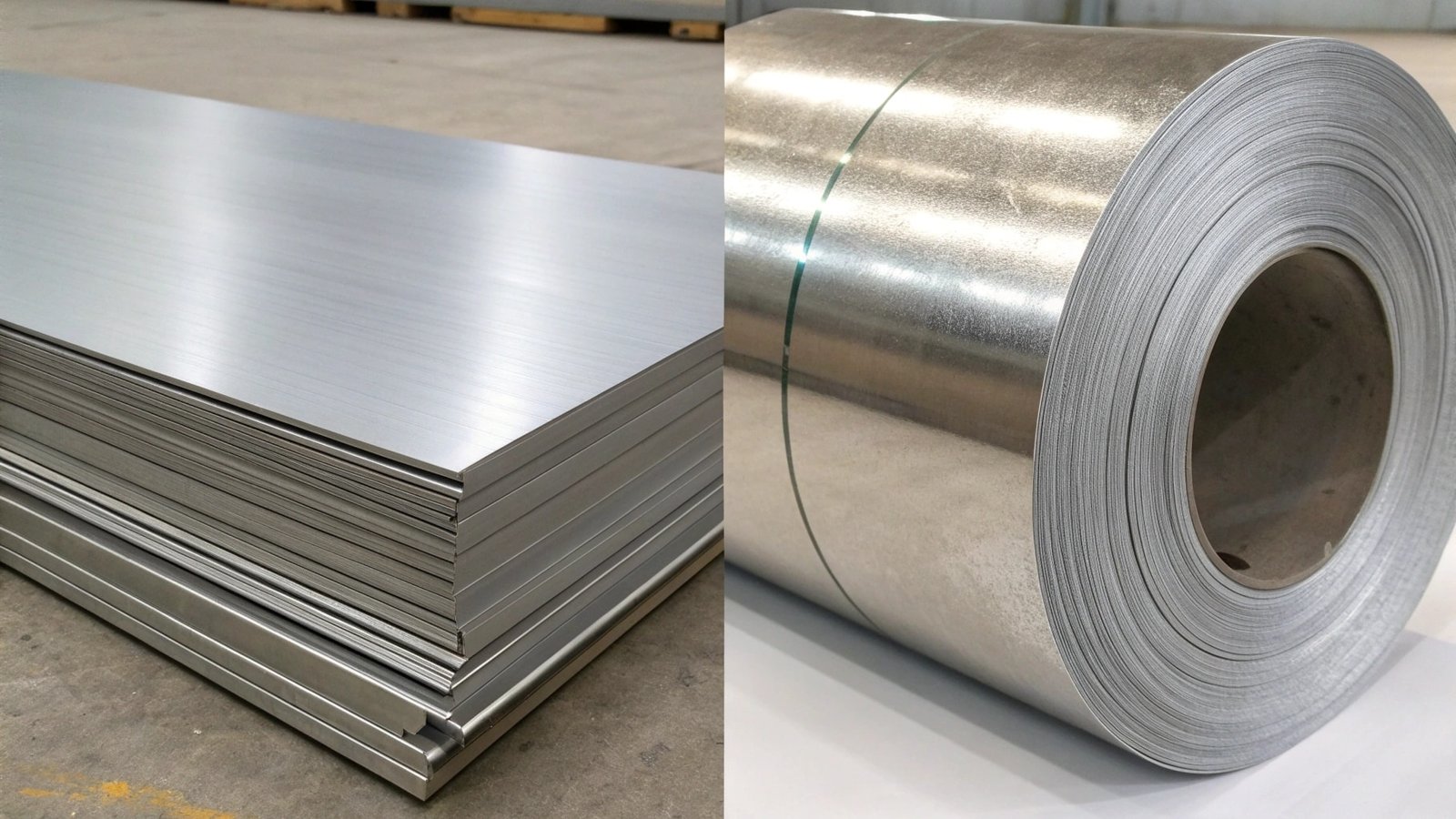
When searching for a large diameter aluminum tube, it’s essential to know exactly what you need. Confusion can arise between aluminum tubes and pipes.
Aluminum tubes are typically measured by their outside diameter (OD), while pipes are measured by their inside diameter (ID). This distinction is crucial for ensuring that the right material fits your specific application.
Many people may wonder why these measurements matter. Understanding whether you need OD or ID helps you avoid costly mistakes. A wrong specification can lead to poor fit and function in your final product. I have seen firsthand how essential it is to have the right dimensions. With accurate measurements, you can ensure efficient machining processes and optimal end product performance.
Is an aluminium tube measured ID or OD?
When it comes to aluminum tubes, they are measured by their outside diameter (OD). This is because the tube's external dimension is critical for applications where the tube will fit into another component. Measured OD allows for precision in assembly and ensures compatibility with other parts.
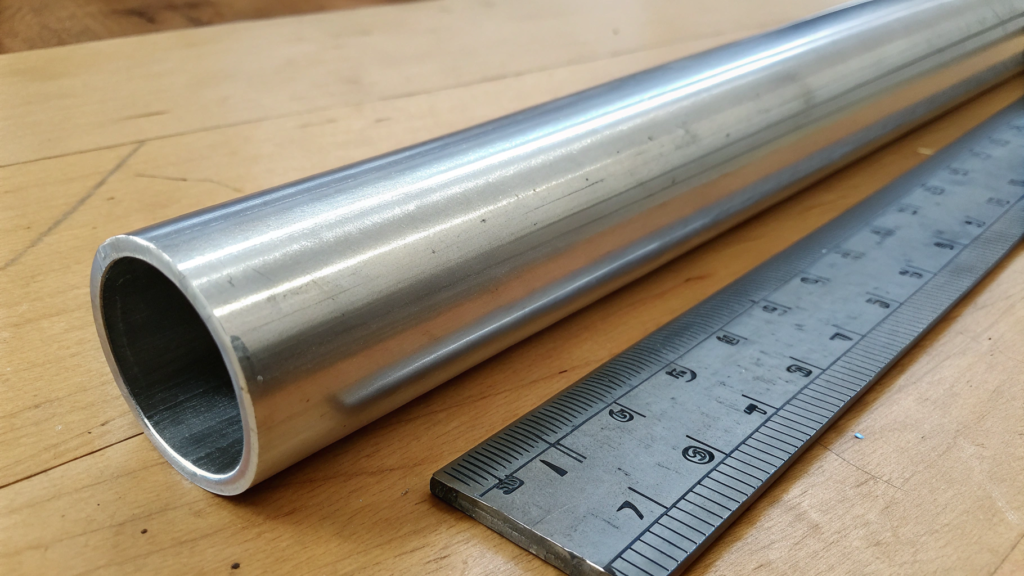
Understanding the measurement system helps in selecting the right aluminum tube for your project. For example, if you need to connect two components, you need to know the OD to ensure proper fit. Using the inside diameter (ID) can lead to issues because it doesn't provide the necessary information for external connections. In my experience, always confirm whether the specifications refer to ID or OD. It saves time and resources later on.
Dive Deeper Paragraph:
Knowing that aluminum tubes are measured in OD is vital for many industries including automotive, aerospace, and construction1. Tubes in these fields are used in various applications where precision is critical. For instance, in automotive manufacturing, the aluminum tube's OD needs to match other components for structural integrity and performance.
Here’s a simple table to illustrate the typical measurements:
| Tube Type | Measured By | Application |
|---|---|---|
| Aluminum Tube | Outer Diameter | Assemblies, Structural Components |
| Aluminum Pipe | Inner Diameter | Fluid Conveyance, Plumbing |
In aerospace, the same principle applies. The OD measurement ensures that the components fit together seamlessly in tight spaces. Miscalculating these specs could lead to catastrophic failures.2 Thus, always focusing on OD helps in guaranteeing safety and efficiency across different industries.
What are the sizes of aluminum pipe?
Aluminum pipes come in a variety of sizes, tailored for different applications. The sizes can range from as small as 1/8 inch to over 12 inches in diameter. The choice of size depends on the requirement of the end application.
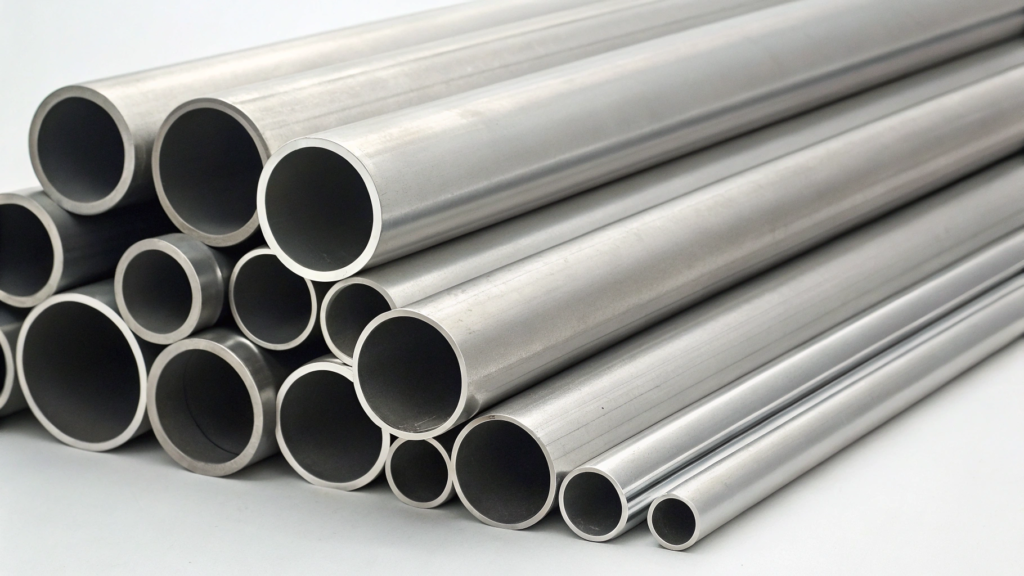
In my experience, the most commonly used sizes for aluminum pipes are 1 inch to 6 inches. These sizes are ideal for structural applications and are often used in construction and industrial settings. However, custom sizes are also available for specialized needs. Custom sizes provide flexibility, ensuring that you get what you need for your project without compromise.
Dive Deeper Paragraph:
Understanding the different sizes of aluminum pipes is crucial for anyone involved in manufacturing or construction. It allows for proper planning and execution of projects. Here’s a breakdown of some common sizes:
| Pipe Size (inches) | Outer Diameter (OD) | Common Applications |
|---|---|---|
| 1 | 1.315 | Plumbing, Support Structures |
| 2 | 2.375 | Handrails, Machinery Frames |
| 3 | 3.500 | Structural Supports |
| 4 | 4.500 | Fences, Frameworks |
| 6 | 6.625 | Heavy-Duty Structures |
Custom sizes are especially important for industries like aerospace, where precision is essential. They ensure that the aluminum pipe meets the specific needs of the design and does not compromise the functionality of the overall assembly. Always consult with your supplier to explore custom options if standard sizes do not meet your needs.
What is the difference between aluminum pipe and aluminum tube?
The difference between an aluminum pipe and an aluminum tube often confuses many people. Aluminum pipes are typically designed for carrying fluids and gases.3 They are measured by their internal diameter (ID) and are built to withstand pressure.
On the other hand, aluminum tubes are often used for structural applications. They are measured by their outside diameter (OD) and are designed to withstand external forces.
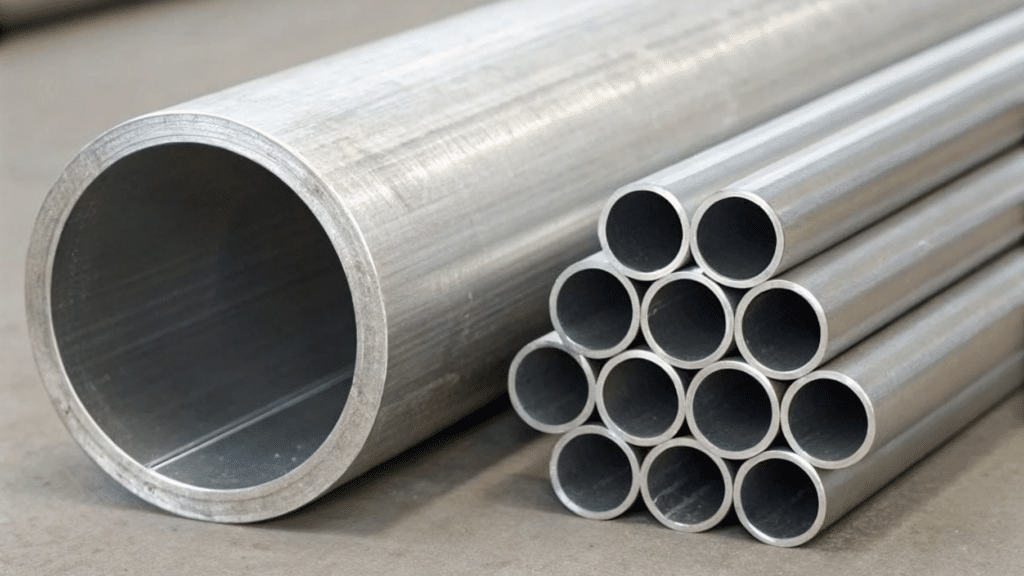
In practice, this means that if you are building a frame or support, you will likely use aluminum tubes. If you are installing a system for fluid transfer, aluminum pipes are typically the choice. This fundamental difference impacts the selection process and can significantly affect the performance of your final product.
Dive Deeper Paragraph:
When deciding whether to use aluminum pipe or tube, it’s essential to consider your project requirements. Tubes generally have a thicker wall and are more robust, making them suitable for structural applications. Conversely, pipes are thinner and designed to carry fluids, which means they have different strength characteristics.
Here’s a comparison table:
| Feature | Aluminum Pipe | Aluminum Tube |
|---|---|---|
| Measurement | Inside Diameter (ID) | Outside Diameter (OD) |
| Strength | Thinner walls, pressure-rated | Thicker walls, structural strength |
| Applications | Fluid transport | Structural support, frameworks |
Understanding these differences can lead to better decision-making in choosing the right materials for your projects. It's vital to select the appropriate option to ensure safety, efficiency, and performance. I often stress this to my clients, and it has led to smoother projects and better outcomes.
How thick is 12 gauge aluminum tubing?
The thickness of 12 gauge aluminum tubing is approximately 0.081 inches or 2.06 mm. This thickness offers a balance between strength and weight, making it a popular choice for many applications.
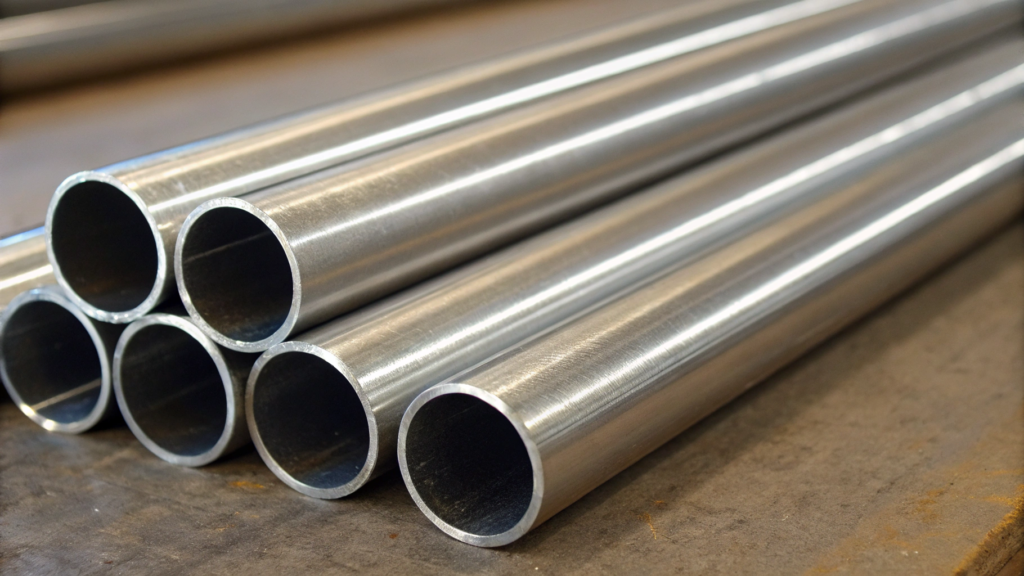
In my experience, this thickness works well for applications needing a durable material without adding excessive weight. The 12 gauge aluminum tubing is often used for structural applications, automotive components, and other areas where strength and lightness are essential.
Dive Deeper Paragraph:
Choosing the right thickness for aluminum tubing is essential for optimal performance. While 12 gauge is a popular choice, it may not be suitable for all situations. Dependencies on factors like the application environment, load bearing, and specific requirements must be assessed.
Here’s a quick reference for common gauges and their thickness:
| Gauge | Thickness (inches) | Common Uses |
|---|---|---|
| 10 | 0.1020 | Heavy duty structural parts |
| 12 | 0.0810 | General structural applications |
| 14 | 0.0673 | Lightweight frames |
Understanding these specifications helps in making informed decisions. Always consider how the material will be used and assess other factors like environmental exposure and load requirements. It is crucial to ensure long-lasting performance in your projects.
Conclusion
In the world of large diameter aluminum tubes, understanding specifications enhances project success and performance.
-
"[PDF] Aluminum and Aluminum Alloys - NIST Materials Data Repository", https://materialsdata.nist.gov/bitstream/handle/11115/173/Aluminum%20and%20Aluminum%20Alloys%20Davis.pdf. Materials and industry references document aluminum tube and structural aluminum applications in transportation, aerospace, and building systems, providing contextual support for the industries named. Evidence role: general_support; source type: institution. Supports: Aluminum tubes are used in automotive, aerospace, and construction-related applications.. Scope note: The source may show aluminum use in these industries generally, not that every listed industry uses large-diameter tubing in the same way. ↩
-
"Vehicle Integration/Tolerance Buildup Practices - Llis", https://llis.nasa.gov/lesson/713. Aerospace safety and structural-design literature describes how dimensional errors, tolerance stack-up, and improper fits can contribute to structural or assembly failures, supporting the seriousness of specification errors. Evidence role: mechanism; source type: paper. Supports: Incorrect dimensional specifications in aerospace assemblies can contribute to severe failures.. Scope note: This would provide contextual risk support, not proof that OD miscalculation alone commonly causes catastrophic failures. ↩
-
"Pipe (fluid conveyance)", https://en.wikipedia.org/wiki/Pipe_(fluid_conveyance). Engineering and standards references define pipe as a tubular product commonly intended for conveying fluids and gases, supporting the functional distinction made between pipe and tube. Evidence role: definition; source type: encyclopedia. Supports: Aluminum pipes are typically designed for carrying fluids and gases.. Scope note: Some pipes are also used structurally, so the source supports a typical use rather than an exclusive rule. ↩