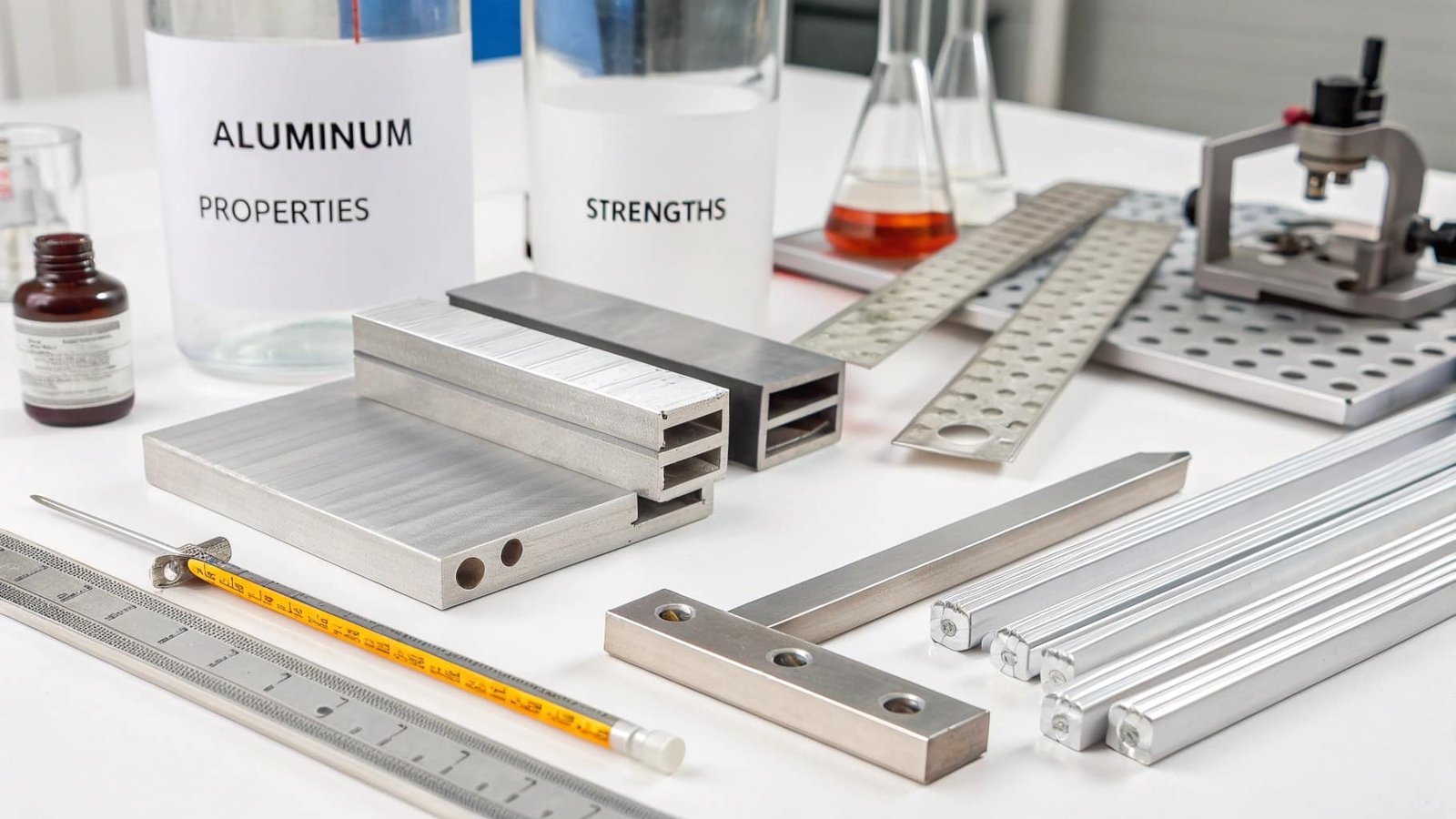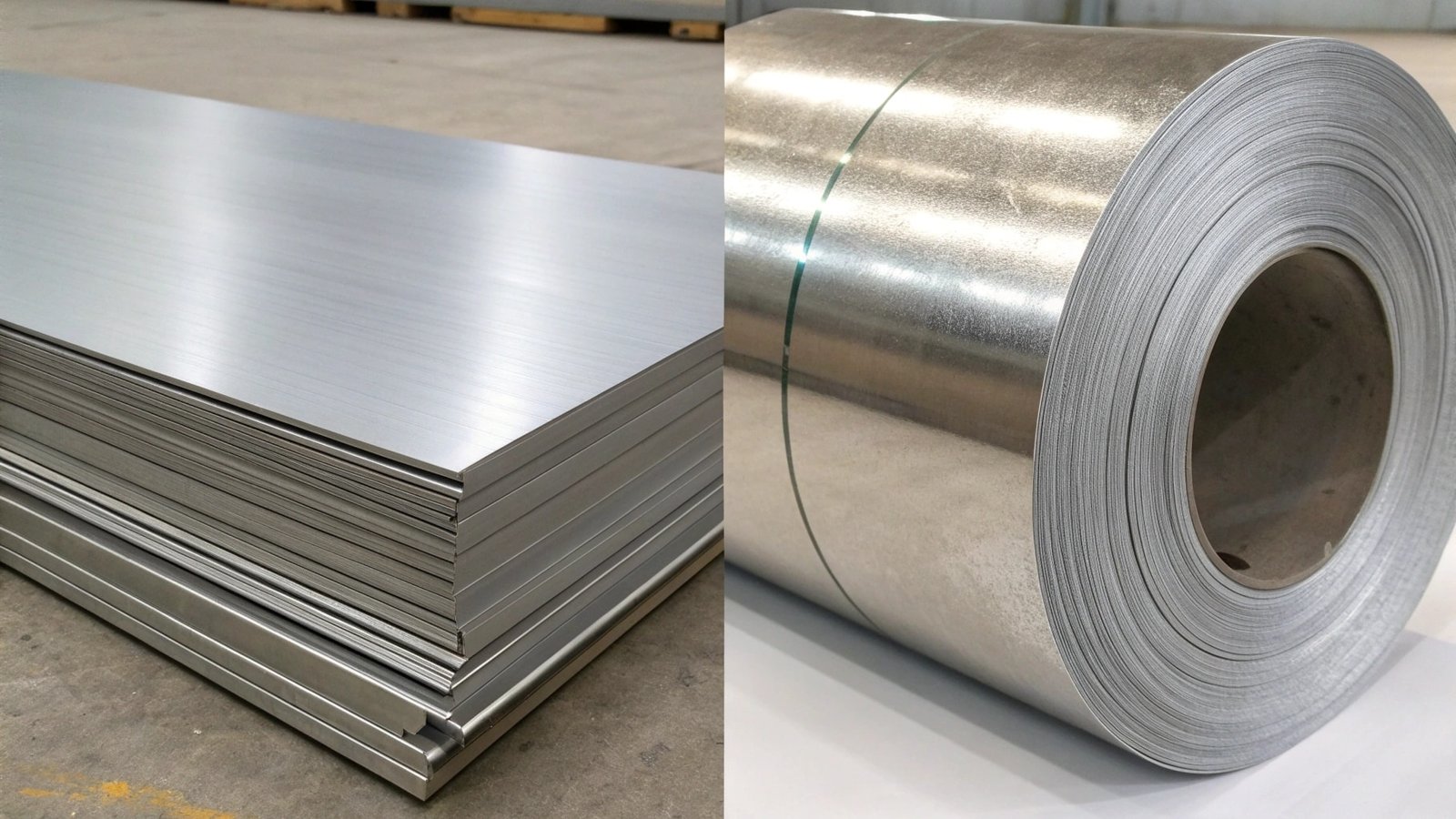
Are you curious about the weight and material makeup of 6061 aluminum1, especially concerning its density? Understanding this property is key to its application.
The density of 6061 aluminum alloy is a well-established material constant, crucial for engineering calculations related to weight, strength-to-weight ratio, and material volume. In standard units, the density of 6061 aluminum is approximately 2,700 kilograms per cubic meter (kg/m³). This is equivalent to 2.7 grams per cubic centimeter (g/cm³). This consistent density is a fundamental characteristic of aluminum alloys, contributing to their popularity in applications where lightness is a significant advantage, such as in aerospace, automotive, and sporting goods. The precise value can vary slightly based on the specific temper and minor variations in alloying composition, but 2700 kg/m³ is the universally accepted figure for the vast majority of 6061 alloy applications.
At SWA Forging, we deeply understand the significance of the density of 6061 aluminum alloy. Our precision forging processes are designed to work with this inherent property, ensuring that our large-diameter rings and discs maintain a consistent and predictable density. This reliability is vital for customers who depend on accurate material performance for lightweight yet high-strength solutions. Whether you're designing for aerospace, industrial machinery, or other demanding applications, our forged 6061 components offer the dependable material characteristics you need.
What is the density of 6061 aluminum in kg m3?
Are you specifically looking for the density of 6061 aluminum expressed in kilograms per cubic meter, a common unit in engineering and material science? The value is precise and widely used.
The density of 6061 aluminum alloy in kilograms per cubic meter (kg/m³) is approximately 2,700 kg/m³. This value is a fundamental property of this alloy and is used in countless engineering calculations. It means that a cube of 6061 aluminum measuring one meter on each side would weigh about 2,700 kilograms. This density is significantly lower than that of most steels (which are typically around 7,800 kg/m³), making aluminum alloys like 6061 highly attractive for applications where weight reduction is a primary concern, without sacrificing too much in terms of strength. The consistent density ensures predictable performance in structural applications.
| Material | Typical Density (kg/m³) | Relative Density (vs. 6061 Al) |
|---|---|---|
| 6061 Aluminum Alloy | 2,700 | 1.0 |
| Pure Aluminum (99%+) | ~2,700 | ~1.0 |
| Steel | ~7,850 | ~2.9 |
| Stainless Steel | ~7,900 - 8,000 | ~2.9 - 3.0 |
| Titanium | ~4,500 | ~1.7 |
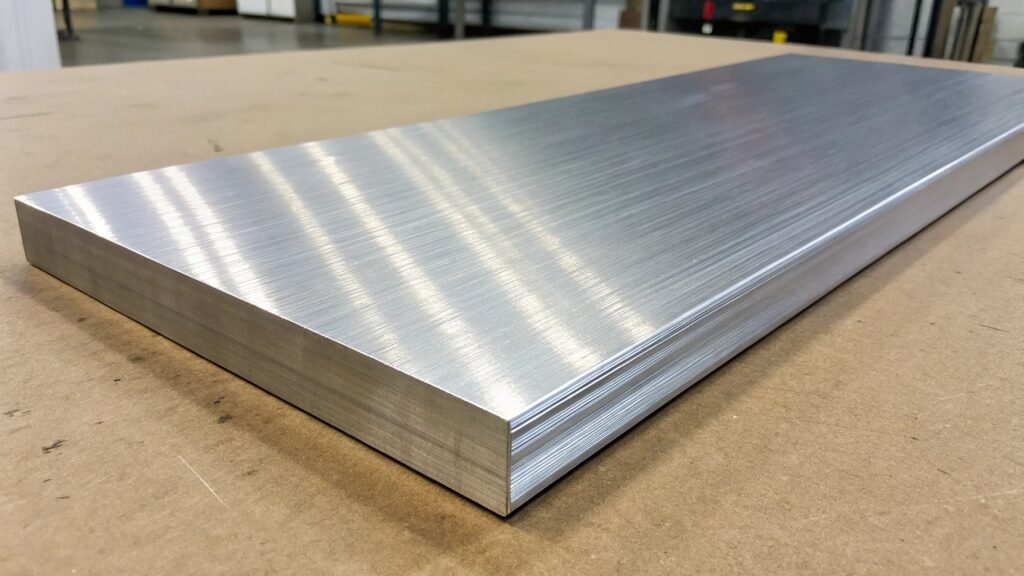
At SWA Forging, we focus on producing superior large-diameter forged components from 6061 aluminum. We understand that achieving predictable performance means working with consistent material properties, and the density of 2,700 kg/m³ is a key aspect of this. Our forging process helps to refine the material's structure, ensuring that our components are not only lightweight due to this inherent density but also possess excellent structural integrity and strength for your demanding engineering projects.
What is the density of aluminum alloy in kg m3?
Are you looking for a general understanding of aluminum alloy density in kilograms per cubic meter, or perhaps realizing that specific alloys might vary slightly? Let's clarify this key property.
The density of aluminum alloys, in general, is very consistent and typically falls around 2,700 kilograms per cubic meter (kg/m³). While the exact figure can vary slightly depending on the specific alloying elements and their percentages, most common aluminum alloys, including popular ones like 6061, 7075, 5052, and even relatively pure aluminum (1xxx series), all have densities very close to this value. This consistency is one of the reasons aluminum is so predictable and reliable in engineering applications where understanding material volume and weight is critical. The primary reason for this consistent density is that the atomic structure and size of aluminum itself dominate the overall density across a wide range of common alloys.
| Common Aluminum Alloy Series | Typical Density (kg/m³) |
|---|---|
| 1xxx (Pure Aluminum) | ~2,700 - 2,710 |
| 2xxx (Aluminum-Copper) | ~2,750 - 2,800 (can be higher due to copper) |
| 3xxx (Aluminum-Manganese) | ~2,700 - 2,750 |
| 4xxx (Aluminum-Silicon) | ~2,650 - 2,700 |
| 5xxx (Aluminum-Magnesium) | ~2,650 - 2,750 |
| 6xxx (Aluminum-Mg-Si) | ~2,700 - 2,720 |
| 7xxx (Aluminum-Zinc) | ~2,750 - 2,830 (can be higher due to zinc) |
| 8xxx (Other Elements) | Varies widely |
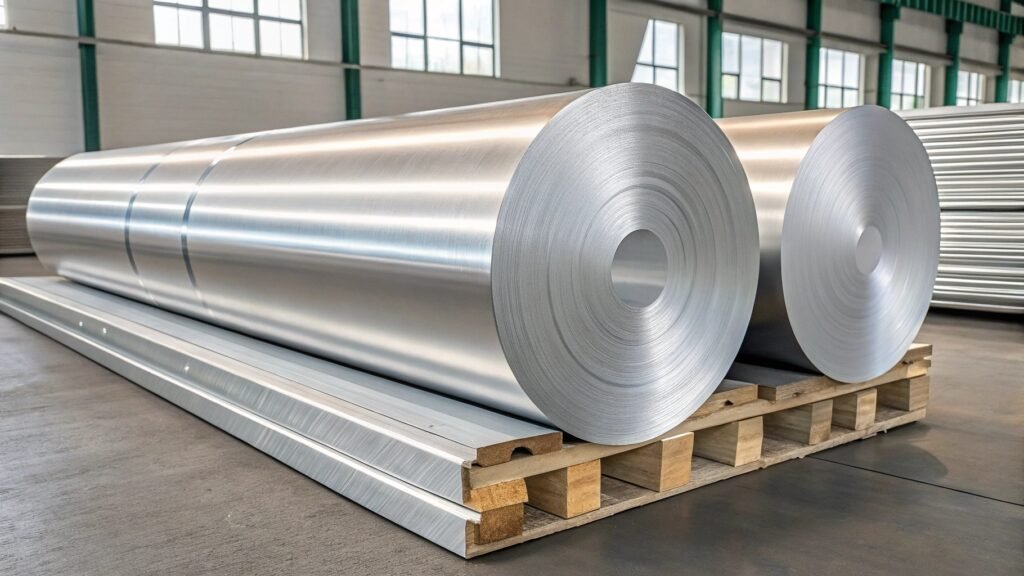
At SWA Forging, we specialize in producing large-diameter forged components from various aluminum alloys. We rely on the consistent density of these materials, typically around 2,700 kg/m³, to ensure the predictable performance of our products. Our forging process refines the internal structure of the alloy, often leading to even greater material integrity and reliability, allowing us to deliver high-quality, lightweight components that meet strict engineering specifications.
What are the properties of 6061 Aluminium alloy?
Are you looking for a comprehensive overview of what makes 6061 aluminum1 alloy so popular and versatile for various engineering applications? It's a balance of several key characteristics.
6061 aluminum alloy is a precipitation-hardenable aluminum alloy that offers a remarkable balance of properties, making it one of the most widely used alloys. Its key properties include: Good Strength: In its T6 temper, it provides a good combination of tensile and yield strength, making it suitable for structural applications. Excellent Corrosion Resistance: It exhibits very good resistance to corrosion, especially in atmospheric conditions and mild environments, largely due to its magnesium and silicon content. Good Weldability: 6061 can be readily welded using common methods, although post-weld heat treatment might be necessary to restore full strength in some cases. High Formability: It is easily formed, machined, and extruded, allowing for complex shapes and designs. Lightweight: Like all aluminum alloys, it has a low density (around 2,700 kg/m³), contributing to its excellent strength-to-weight ratio. Heat Treatable: It can be strengthened significantly through heat treatment and aging processes (like the T6 temper). However, it has lower strength than 7075 and is not typically used for extremely high-stress applications found in aerospace structural components.
| Property | Description of 6061 Alloy |
|---|---|
| Composition | Primarily Aluminum, with Magnesium (Mg) and Silicon (Si) as key alloying elements. Also contains copper. |
| Density | Approximately 2,700 kg/m³ (0.0975 lb/in³). |
| Tensile Strength (T6) | Typically 290 - 310 MPa (42,000 - 45,000 psi). |
| Yield Strength (T6) | Typically 270 - 280 MPa (39,000 - 40,600 psi). |
| Corrosion Resistance | Excellent, especially in ambient and atmospheric conditions. |
| Weldability | Good to excellent. Can be welded by most standard methods. |
| Machinability | Good. It is easily machined into intricate shapes. |
| Formability | Excellent. Can be easily formed, bent, and extruded. |
| Heat Treatable | Yes. Can be significantly strengthened by solution heat treatment and artificial aging (T6 temper). |
| Cost | Relatively moderate, making it a cost-effective choice for many applications. |
| Common Applications | Structural components in aircraft and automotive industries, bicycle frames, marine applications, railings, pipes, and general engineering components. |
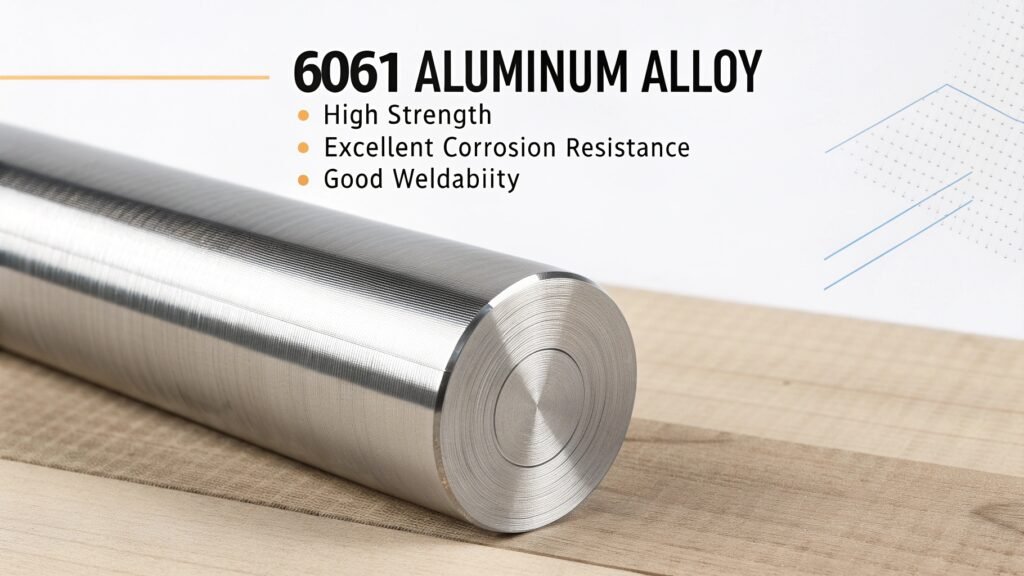
At SWA Forging, we leverage these well-balanced properties of 6061 aluminum alloy to produce high-quality, large-diameter forged components. We understand that its excellent corrosion resistance, good machinability, and reliable strength, combined with its predictable density, make it an ideal material for a vast range of demanding applications. Our forging expertise specifically enhances these inherent qualities, delivering components that are precisely engineered for exceptional durability and performance.
What is the actual value of density of aluminum 6061 objects?
Are you seeking the precise, most commonly accepted and utilized value for the density of 6061 aluminum objects in practical engineering terms? The figure is standard and reliable.
The actual, most widely accepted value for the density of 6061 aluminum alloy objects is 2,700 kilograms per cubic meter (kg/m³). This figure is extremely consistent for this alloy across its various tempers (like T6, T4, O) and manufacturing methods, including those produced by forging. While minor variations might occur at a microscopic level or due to extremely precise measurement conditions, for all practical engineering, design, and manufacturing purposes, you can reliably use 2,700 kg/m³. This consistent density is a crucial factor that engineers rely on when calculating weight, determining material usage, designing for thermal expansion, and ensuring the mechanical integrity of components made from 6061 aluminum.
At SWA Forging, we are committed to delivering components where every material property, including density, is predictable and reliable. For our large-diameter forged rings and discs made from 6061 aluminum alloy, we work with the established actual density of 2,700 kg/m³. This understanding is fundamental to ensuring the lightweight yet robust performance that our clients expect. Our precision forging process respects and often enhances this inherent material consistency, guaranteeing that your components will perform exactly as designed.
Conclusion
6061 aluminum alloy consistently holds a density of 2,700 kg/m³, a key property alongside its balanced strength and corrosion resistance, making it a reliable choice for lightweight components.