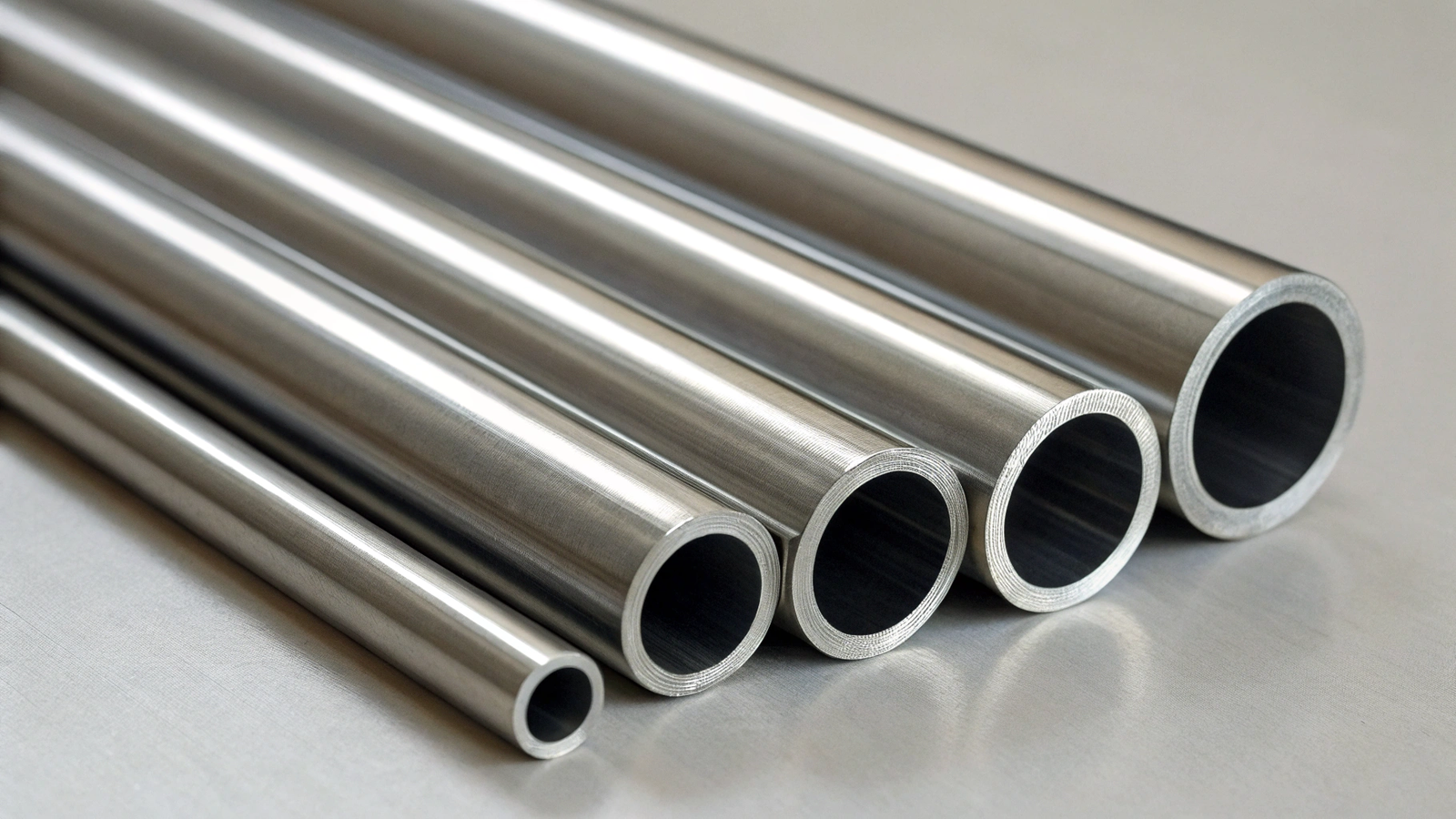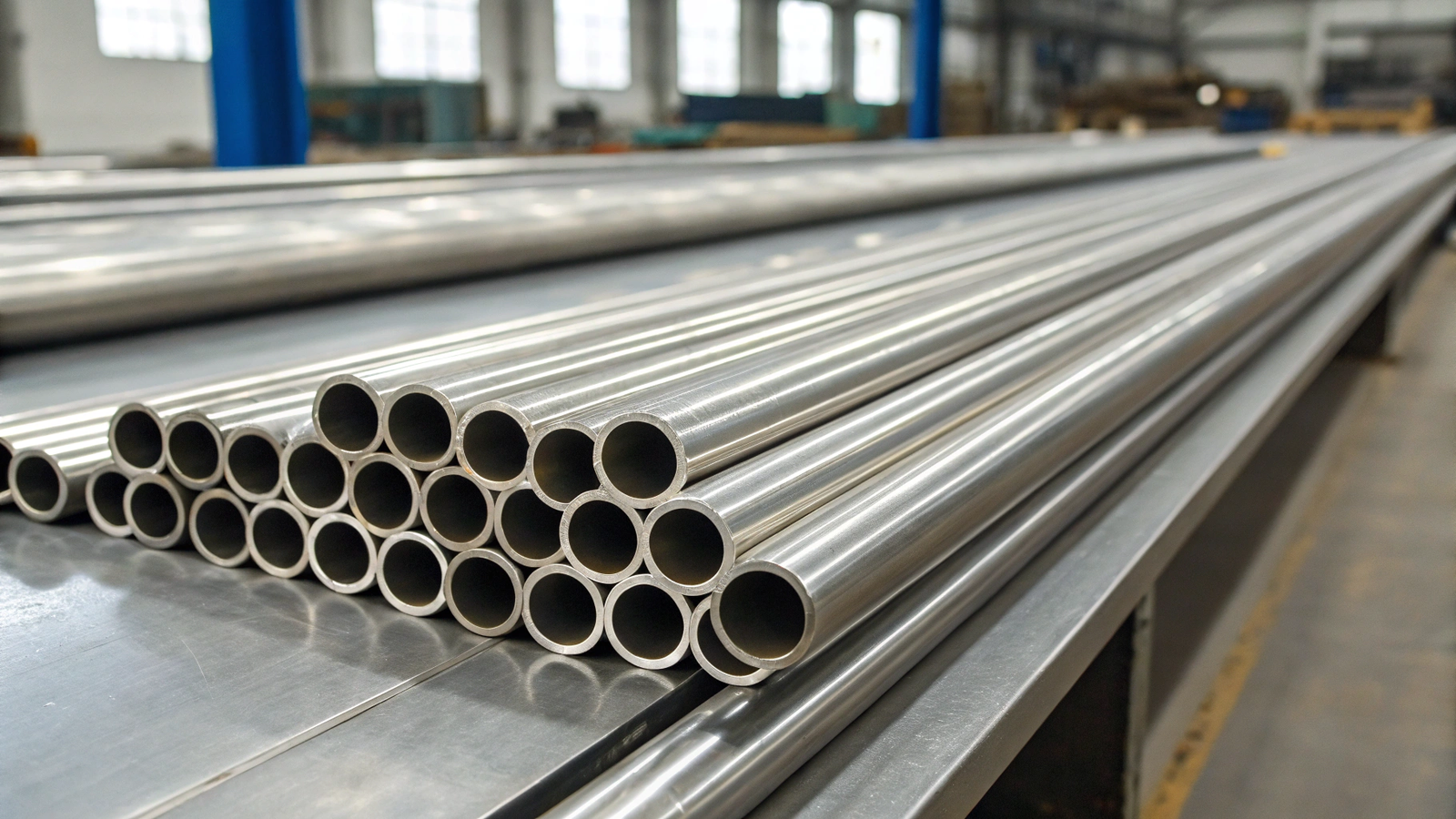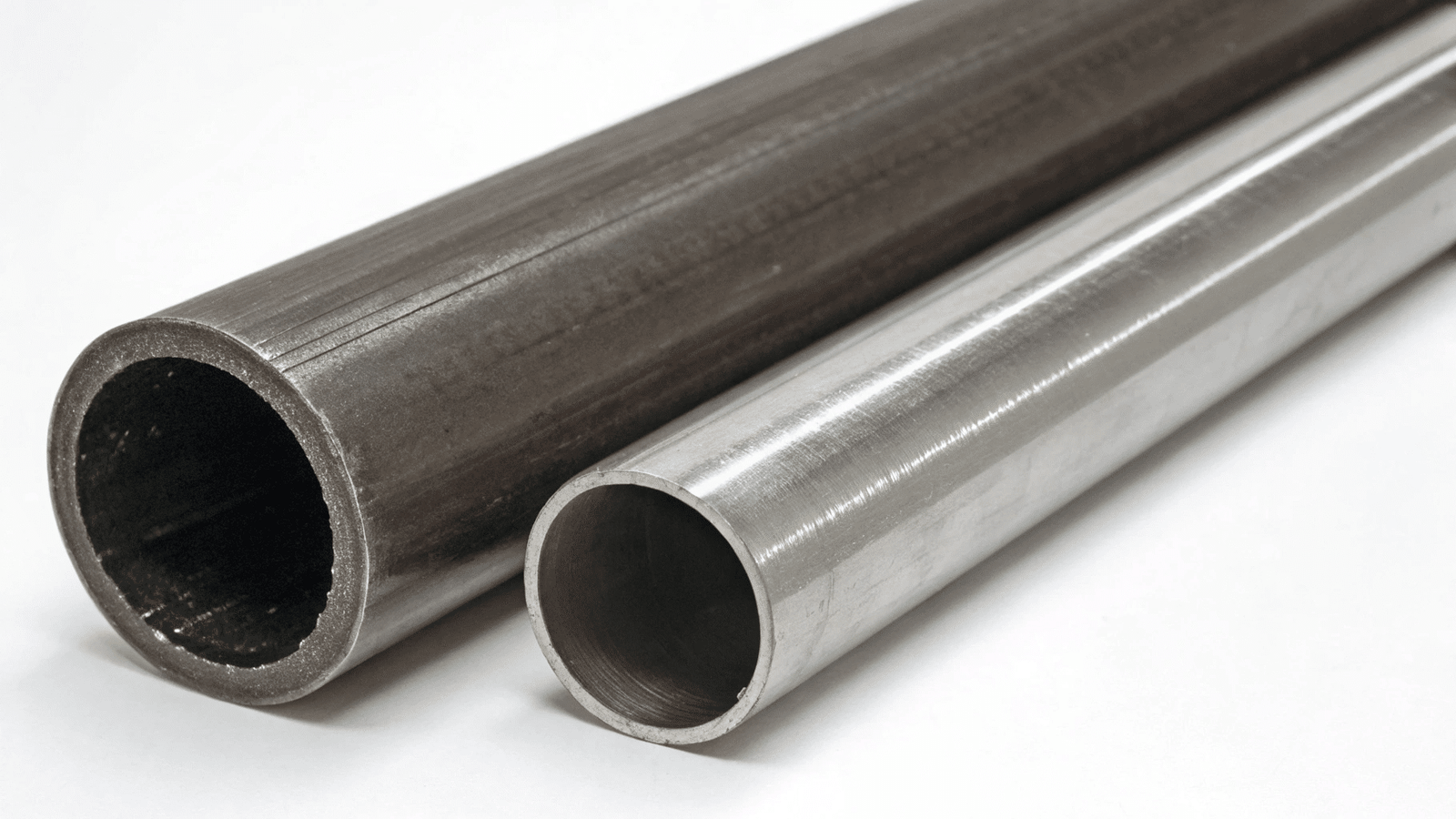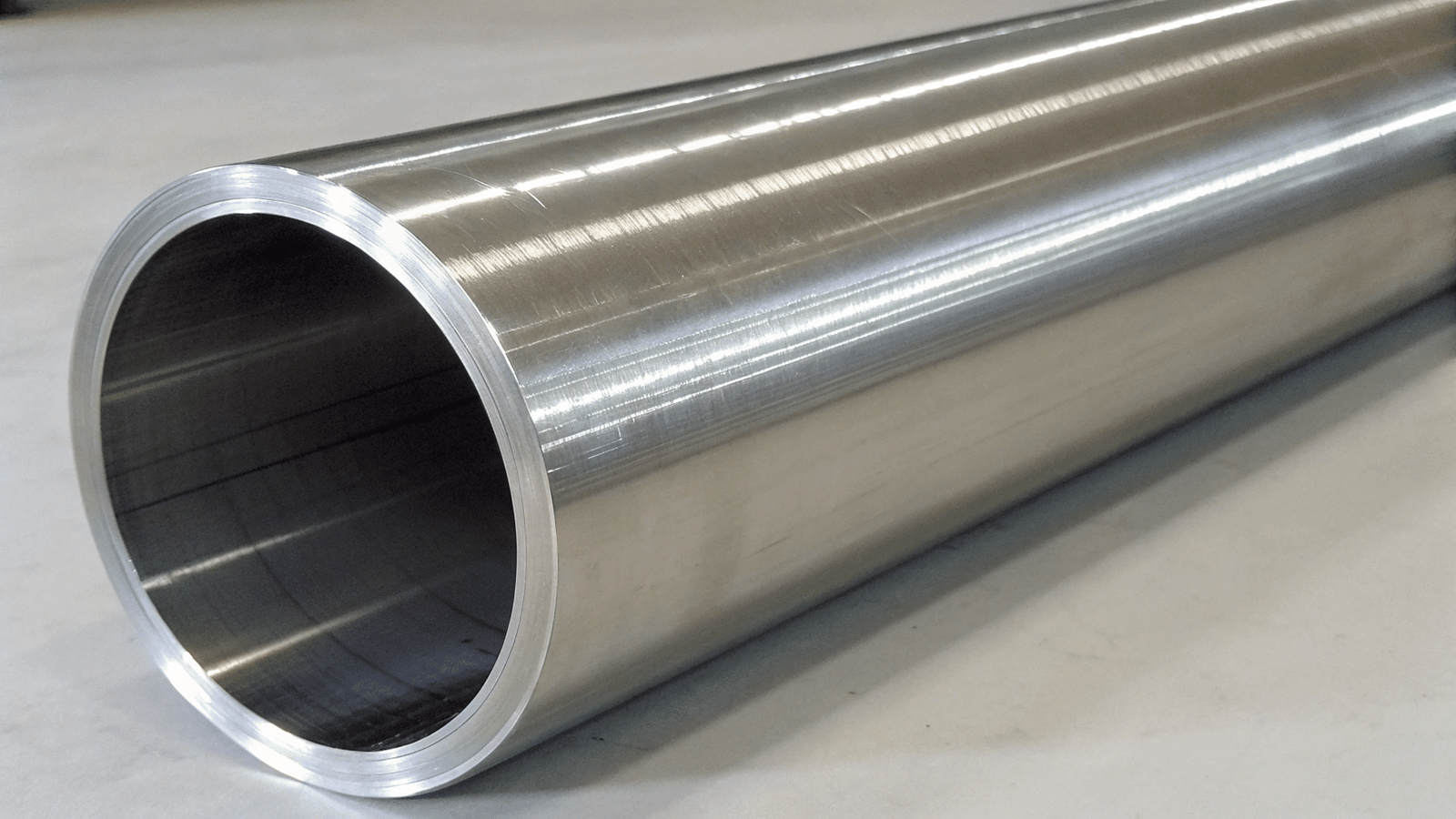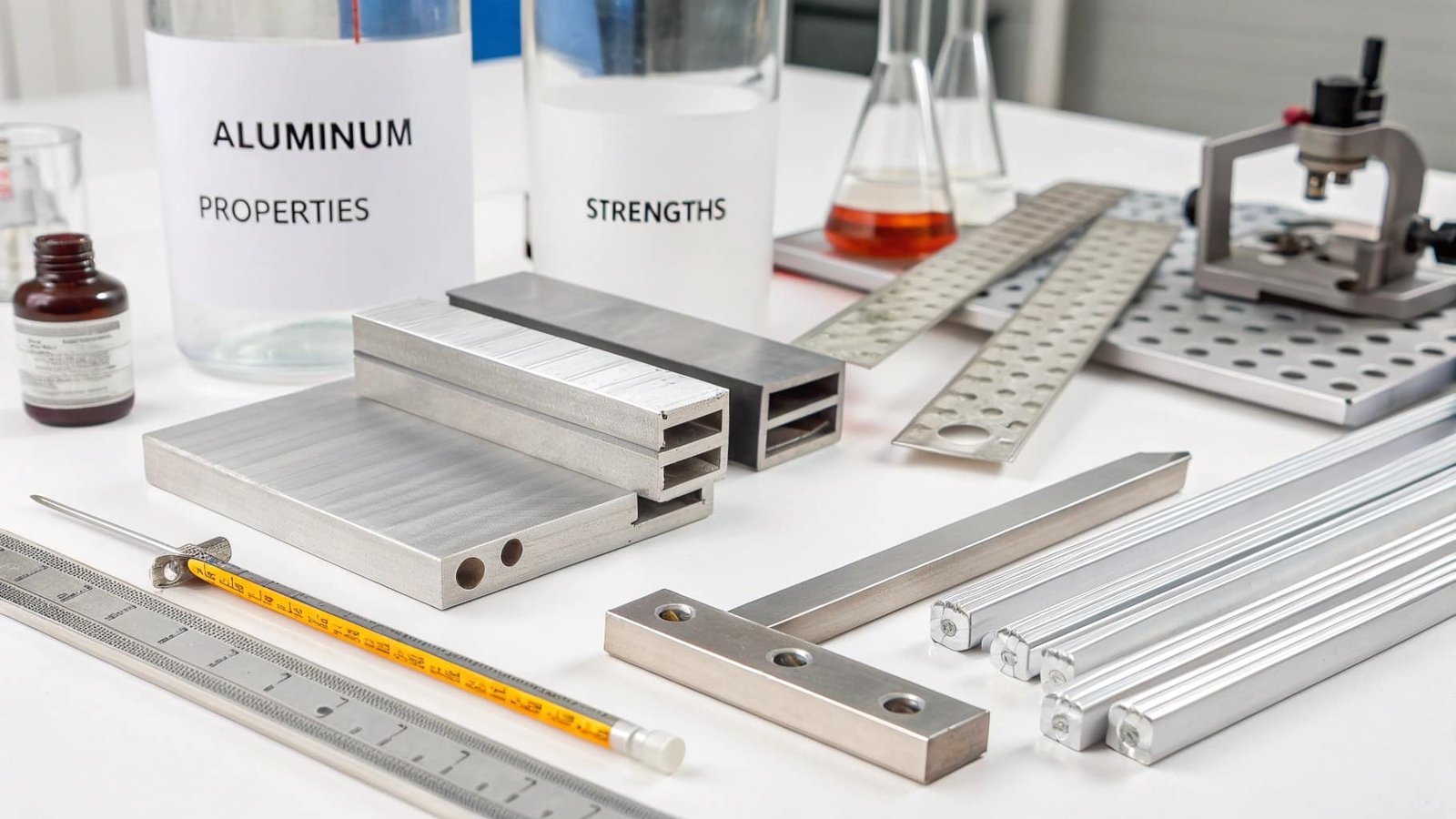
The problem with standard aluminum tubing is that it often does not meet specific project needs, leading to costly modifications.
Custom aluminum tubing solutions are essential when standard sizes fall short. Creating tubing to fit precise specifications ensures the integrity and performance of your project without compromising quality.
Working with standard tubing sizes can be frustrating. You might think you can just modify a standard tube to meet your needs. However, this often leads to issues such as increased costs and compromised structural integrity. Instead, consider the option of machining components from solid forged blanks. This approach provides the precise dimensions you need while maintaining the strength and durability of the material.
How to reduce the diameter of aluminum tubing?
Altering the diameter of aluminum tubing can seem like an easy fix, but it often isn't. Simply reducing the diameter can weaken the tube. The process usually involves cutting and welding, which can affect the aluminum's integrity1.
The safest way to reduce the diameter is to start with the right size from the beginning. Working with a supplier who offers custom solutions can save time and money.
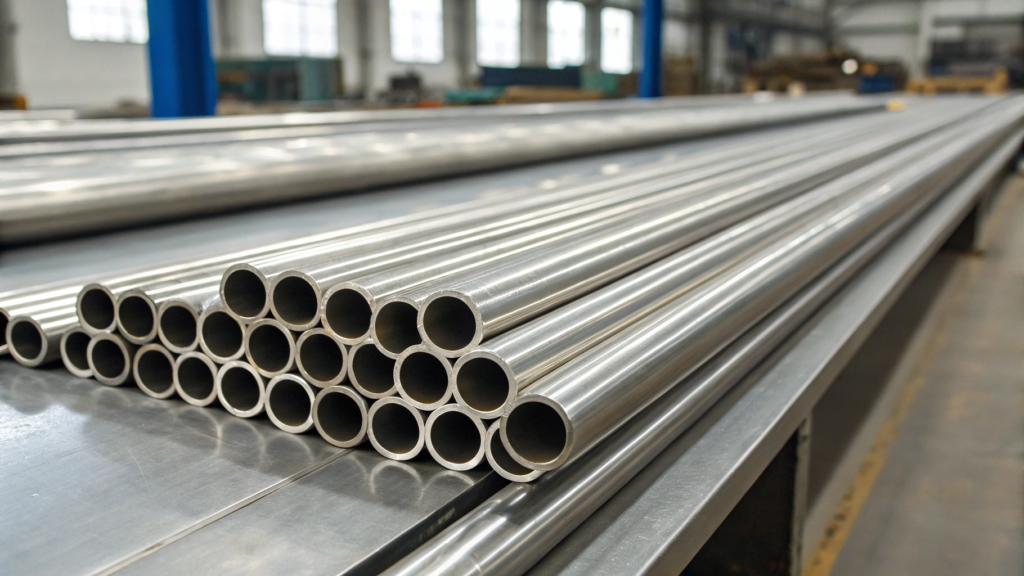
When faced with the need for smaller tubing, many turn to cutting and welding. This method can lead to complications and unexpected costs. Instead, custom solutions can provide you with the exact dimensions you need right from the start. Consider that machining from a solid forged blank not only provides the necessary diameter but also enhances the overall quality of your final component.
The Challenge of Reducing Tubing Diameter
Reducing the diameter of aluminum tubing can lead to several challenges. The most common issues include:
| Challenge | Description |
|---|---|
| Structural Integrity | Cutting and resizing can weaken the material. |
| Cost of Modifications | Altering standard tubes can be expensive and time-consuming. |
| Compromised Performance | Adjusted tubes may not perform as required in application. |
By avoiding modifications altogether and opting for custom solutions, you can sidestep these challenges entirely.
What are standard tubing sizes?
Standard aluminum tubing sizes are designed to meet common industrial and manufacturing needs. However, they often do not fit specific requirements. Common sizes include diameters ranging from 1/2 inch to 12 inches, with various wall thicknesses.
Knowing the standard sizes helps in making informed decisions, but it’s essential to remember that customization is often necessary for specialized projects.
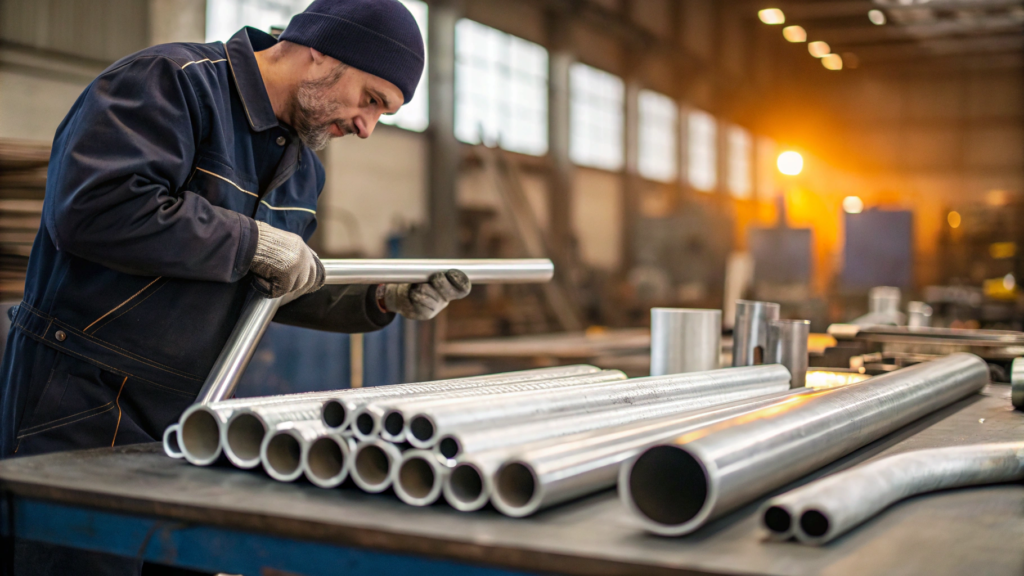
Understanding standard sizes is vital for anyone working with aluminum tubing. However, relying solely on these options may limit your project's potential. Many projects have unique demands that standard sizes cannot satisfy. Custom solutions allow you to achieve the exact specifications you need. Using solid forged blanks can be an excellent choice for achieving specific dimensions without compromise.
An Overview of Standard Sizes
Standard aluminum tubing sizes can vary widely. Here’s a simple table to give you an idea of common dimensions:
| Diameter (inches) | Wall Thickness (inches) | Common Applications |
|---|---|---|
| 1/2 | 0.065 | Automotive, HVAC systems |
| 1 | 0.083 | Structural applications |
| 2 | 0.120 | Machinery, frames |
| 4 | 0.125 | Heavy-duty structures |
| 6 | 0.187 | Industrial applications |
Choosing the correct size is crucial for ensuring the integrity and performance of your final product.
Can you expand an aluminum tube?
Expanding an aluminum tube is possible, but it can also compromise its integrity. This process typically involves using heat and mechanical force to increase the diameter.
It’s often better to order the correct size from the start than to attempt expansion later. Custom solutions provide a better answer to specific needs, ensuring a stronger final product.
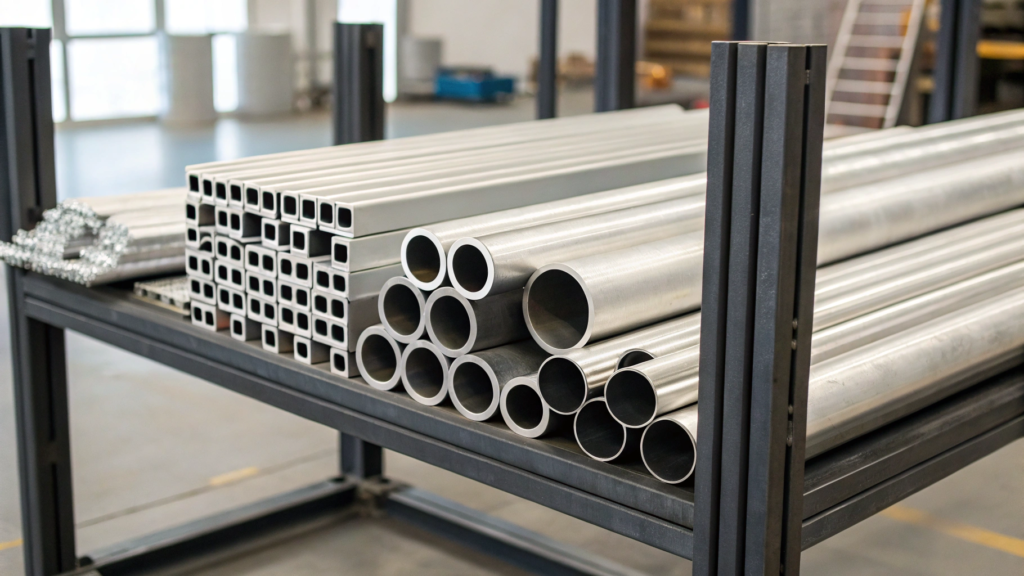
The question of whether you can expand an aluminum tube is common but fraught with potential pitfalls. While it is technically possible, the long-term performance and safety of the component may be at risk. Instead of attempting to alter an existing piece, it is wise to consider creating a component that meets all specifications without any modifications. Custom solutions provide the strength and integrity that machined options afford.
Evaluating Tube Expansion Feasibility
When considering expanding an aluminum tube, keep these aspects in mind:
| Aspect | Considerations |
|---|---|
| Integrity of Material | Expansion may weaken the material's overall structure. |
| Cost of Custom Solutions | Custom components can save money in the long run. |
| Time and Resources | Expanding can be time-consuming and inefficient. |
Choosing to start with a custom piece rather than modifying an existing one can save you time and resources, resulting in a superior final product.
Why is aluminum tubing so expensive?
The expense of aluminum tubing often surprises people. Several factors contribute to these costs, including the quality of raw materials, manufacturing processes, and market demand.
Investing in high-quality aluminum tubing may seem costly, but it pays off in performance and durability. Custom solutions often provide better value than standard tubing.
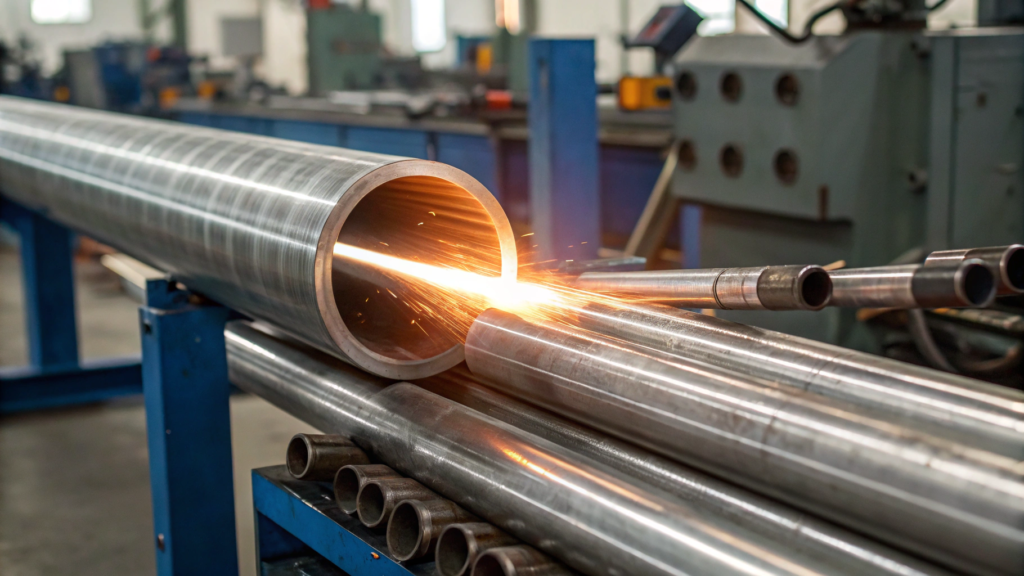
Understanding the costs associated with aluminum tubing can help you make better decisions for your projects. The manufacturing process for high-quality aluminum tubing is complex and requires precision. This complexity plays a significant role in the final price. Custom solutions can sometimes seem more expensive initially, but they often provide greater value by ensuring superior performance and reducing the need for modifications later.
Factors Influencing Aluminum Tubing Costs
Several factors contribute to the cost of aluminum tubing. Here’s a table outlining key elements:
| Factor | Impact on Cost |
|---|---|
| Raw Material Quality | Higher-quality aluminum increases expenses. |
| Manufacturing Process | Precision machining often requires advanced tooling. |
| Market Demand | Increased demand can drive prices higher. |
| Customization Needs | Tailored solutions typically cost more than standard options. |
By considering these elements, you can appreciate the complexities involved in aluminum tubing pricing.
Conclusion
Custom aluminum tubing solutions provide the best way to meet specific project needs, ensuring quality and performance without compromise.
-
"A practical approach to modeling aluminum weld fracture ...", https://groups.seas.harvard.edu/hutchinson/papers/2017-3-AL%20welds.pdf. Metallurgical references on aluminum welding support that welding produces a heat-affected zone and may reduce strength in many heat-treatable aluminum alloys unless proper procedures and post-weld treatment are used. Evidence role: mechanism; source type: education. Supports: Cutting and welding aluminum tubing can affect material integrity, especially near welds and heat-affected zones.. Scope note: The effect varies by aluminum alloy, temper, filler, weld procedure, and service condition. ↩